I am coming to the end of my stay here in Kuala Lumpur. Reflecting on the frequent trips London – KL over the past three years, I think that staying for a month is about the right time for a visit to my hometown. This time period allows for a balance of work (with my elderly mother), exploration and rest. The latter is the thing I lack most when in KL but there is the 13-hour flight this weekend to catch up on sleep.
It has been a trip of celebrations (Chinese New Year, buka puasa feasts in the Muslim holy month of Ramadan), meet-ups with friends and family and discovery of some historic buildings.
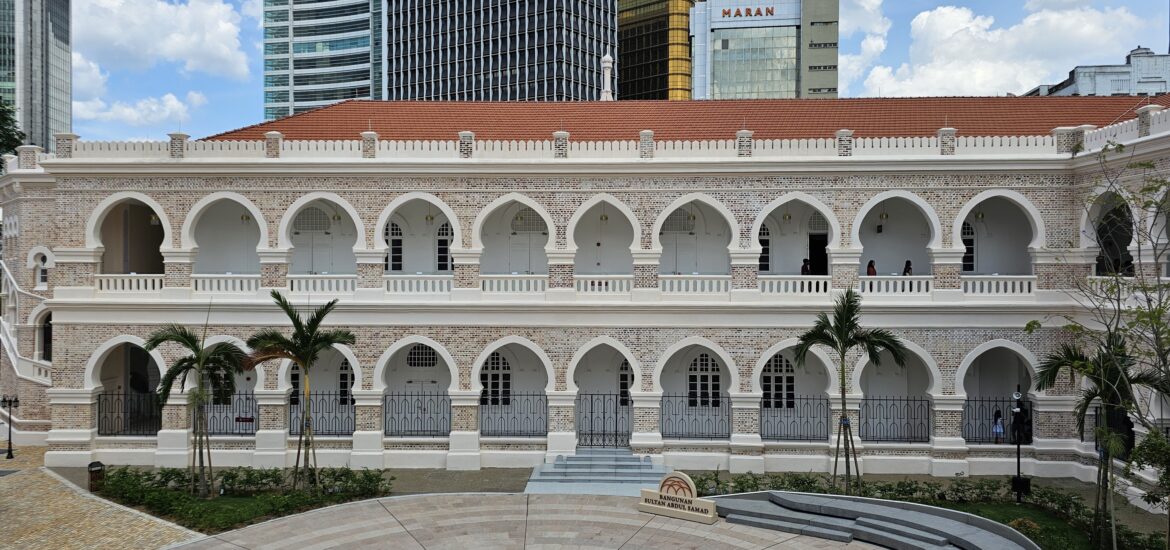
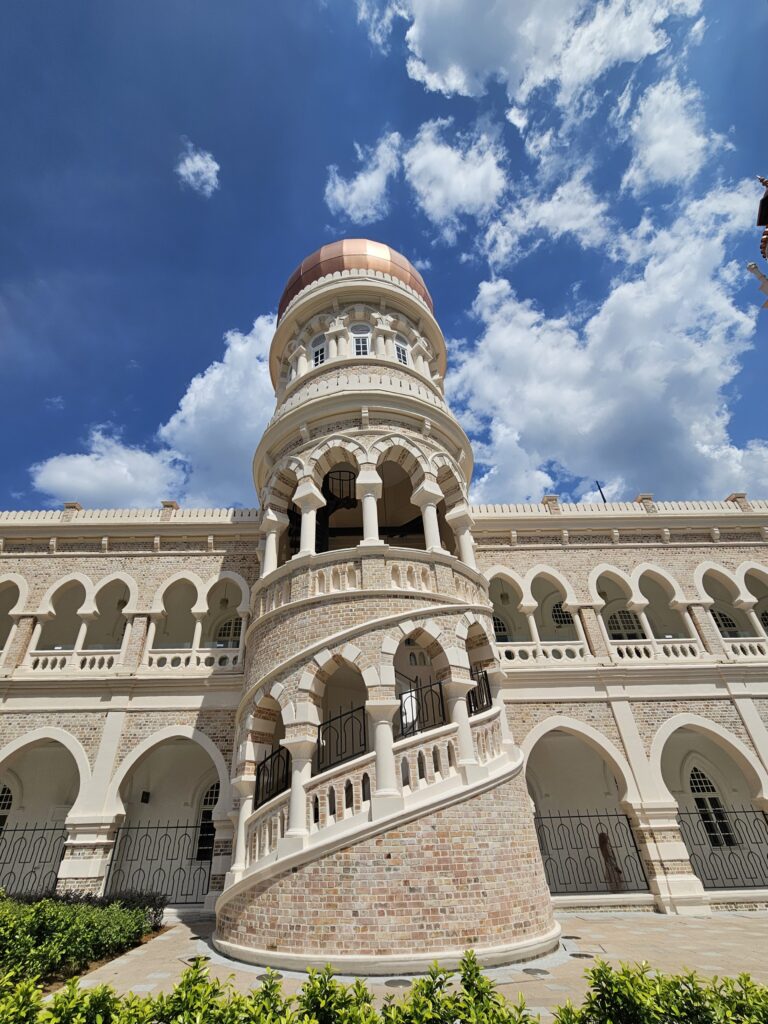
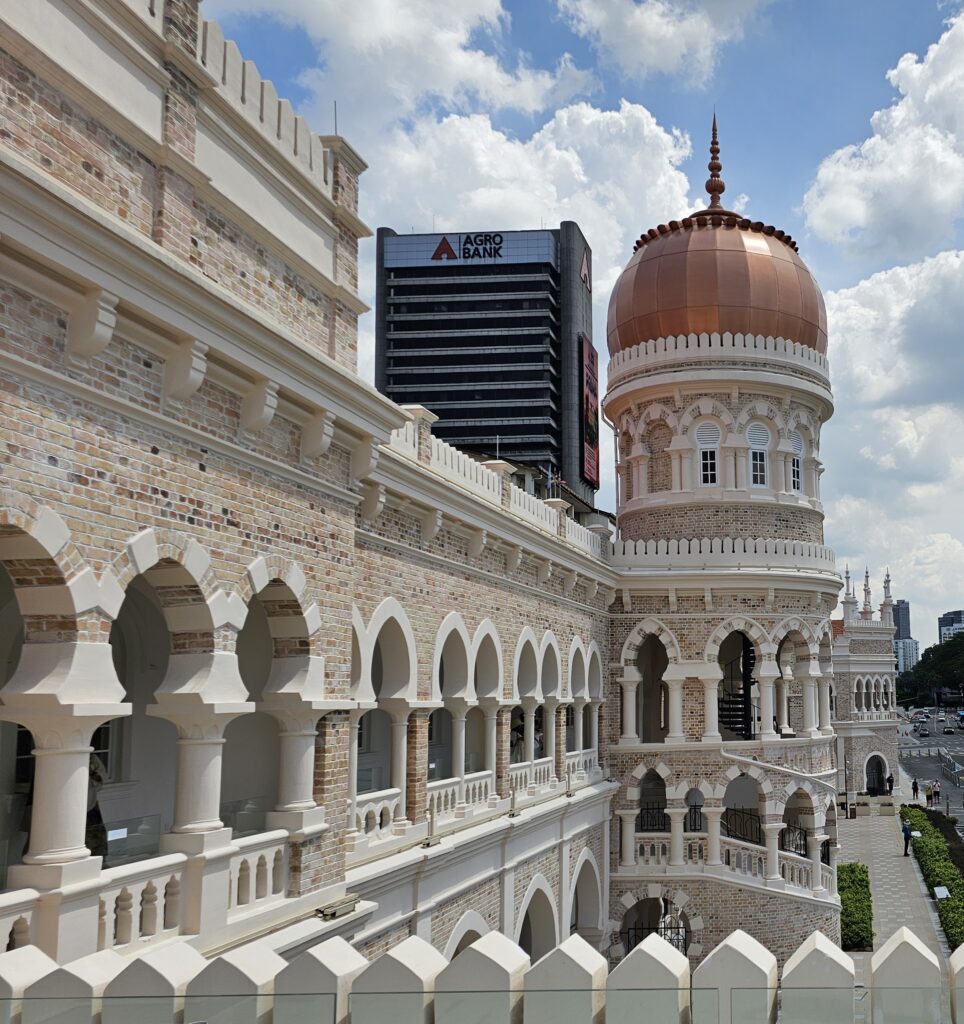
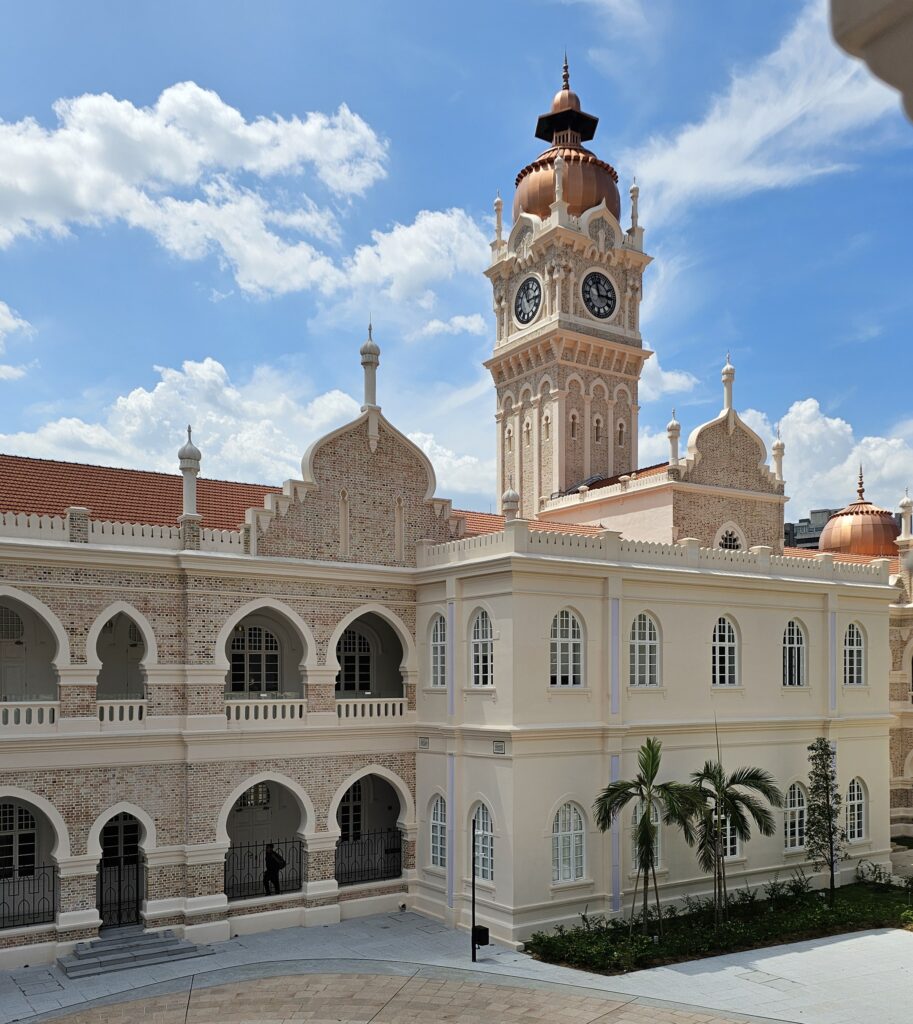
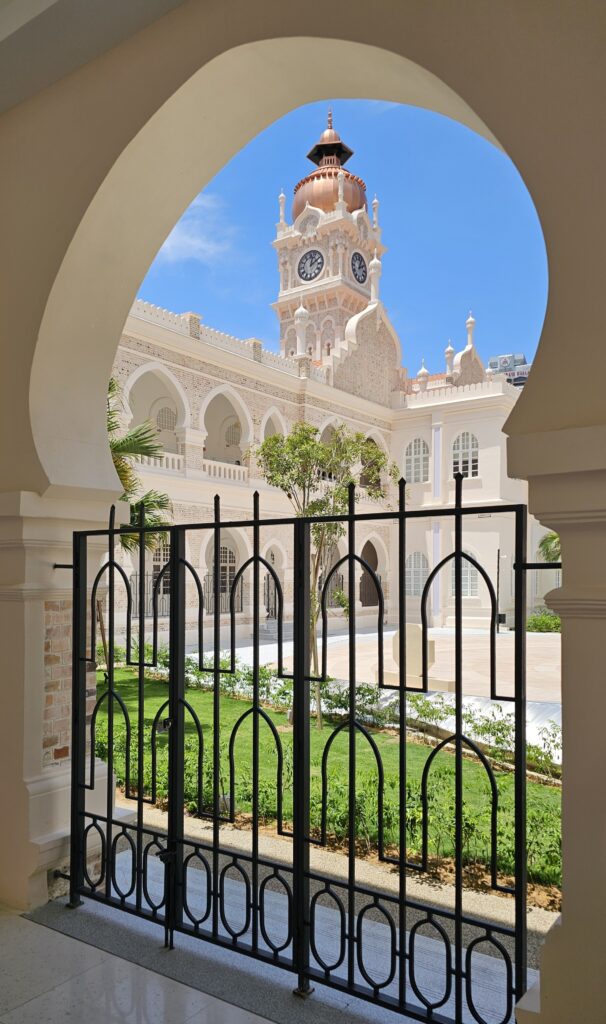
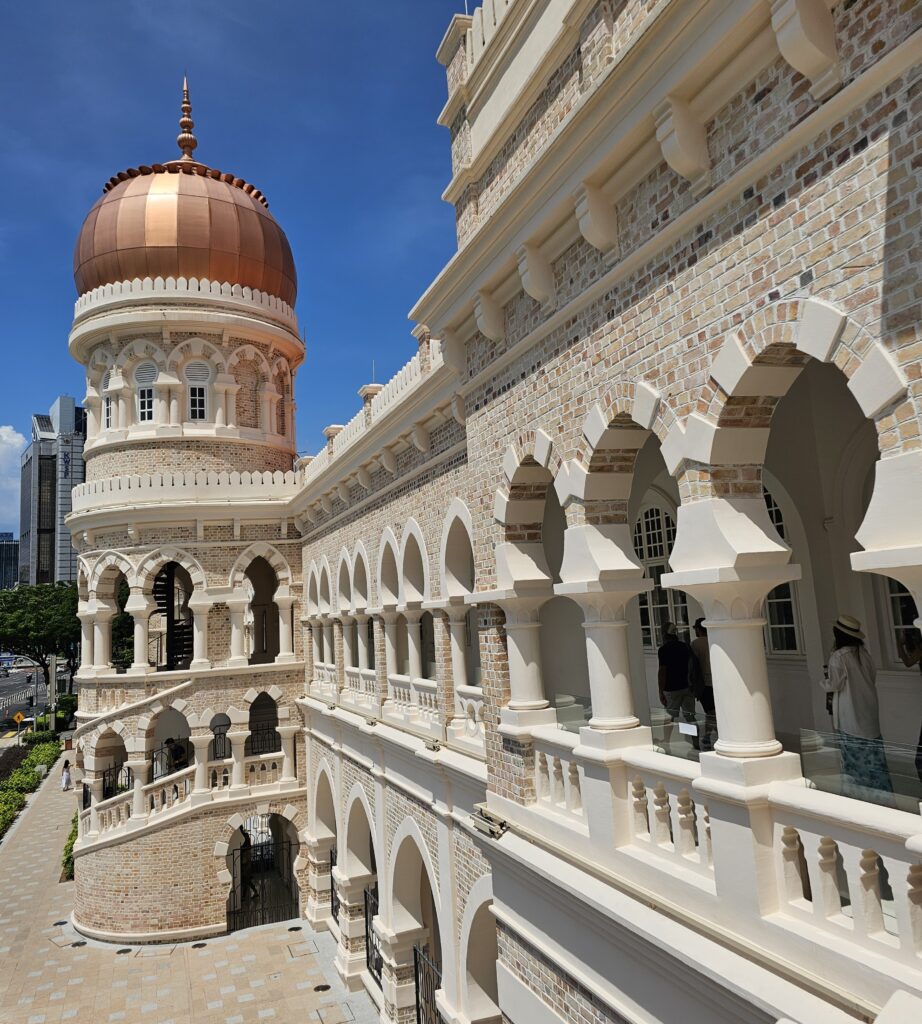
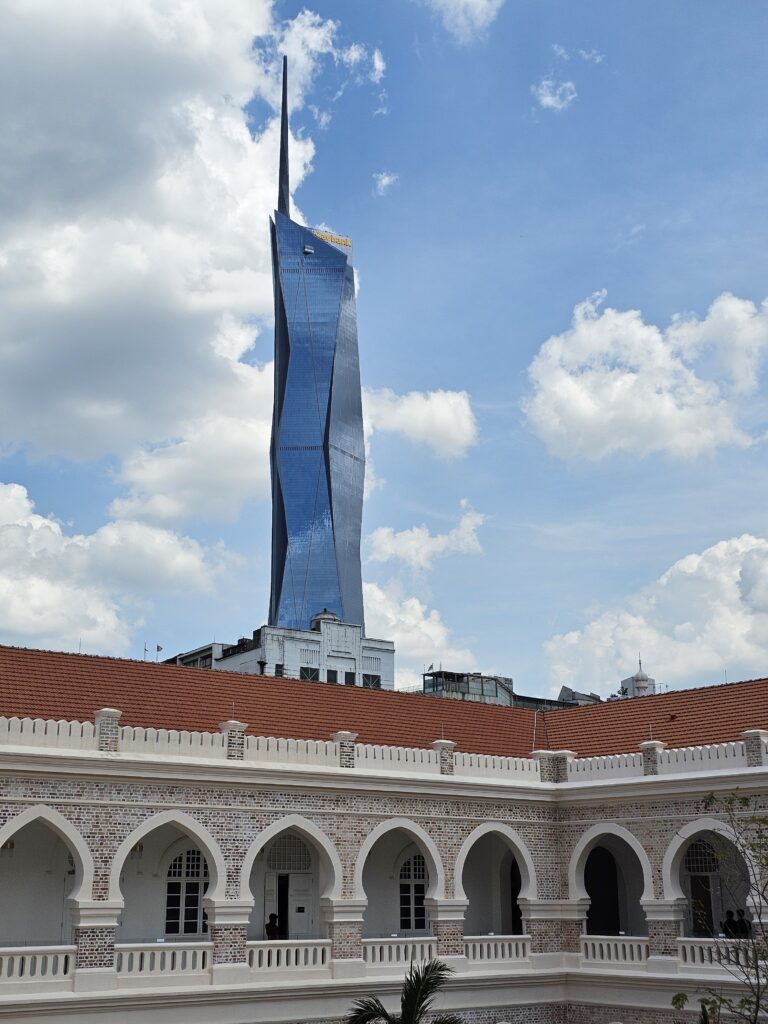
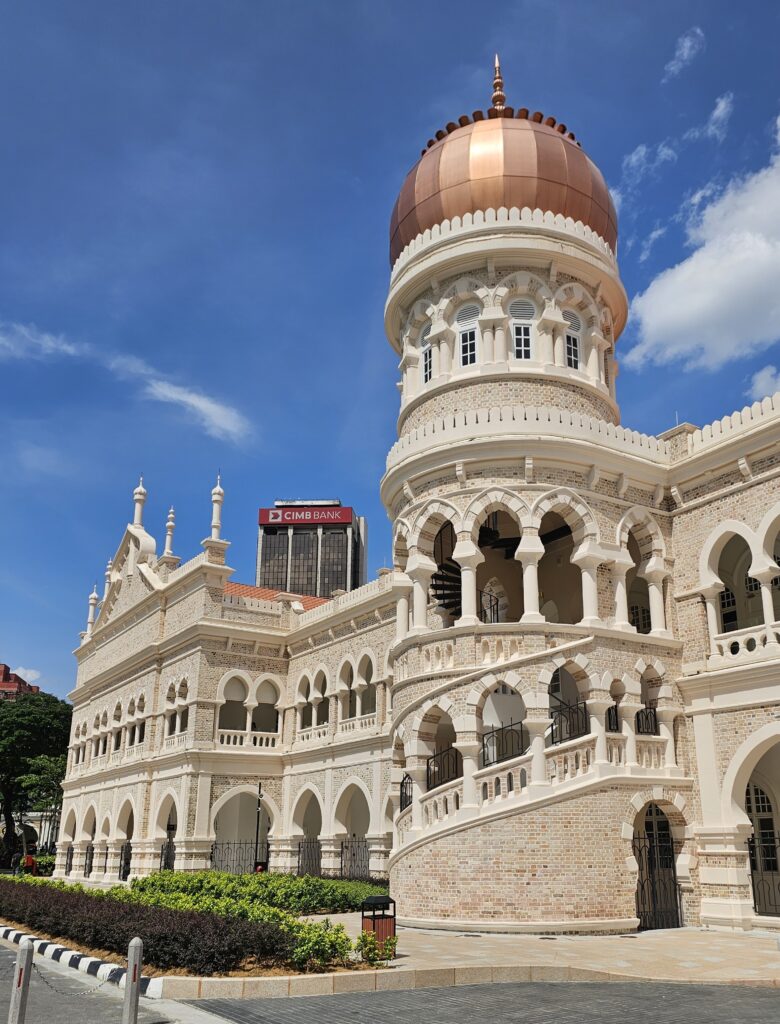
Below are photos of our visits to the Sultan Abdul Samad Building (official website here and wikipedia entry here) and Seri Negara (official website here and wikipedia page here) along with brief notes. Both historic buildings were redeveloped under the auspices of Khazanah National, which is Malaysia’s sovereign wealth fund.
The SAS Building was completed in 1897 to house the government offices of the British colonial administration. 4 million bricks were used in its construction and I mention this because Brickfields is located not far from my family home. It was here that high quality bricks were made from the ample raw material, clay, that was available.
The building was renamed in 1974 after Sultan Abdul Samad (1804–1898), the fourth Sultan of Selangor. At the time of the building’s completion, Kuala Lumpur was located within the state of Selangor and served as its capital.
The newly restored building has been open for a month and is still gleaming. There are on-site souvenir shops and food and beverage outlets. There are two rooms/ halls with historical displays although I missed this as the area was not well signposted. If you are driving, there is a public carpark underneath Dataran Merdeka although parking spots are very difficult to find. I am not sure how you would get a clear photo of the building’s facade without traffic, multiple parked tourist coaches and the tourists themselves. Bear in mind also that the surrounding tall buildings are modern, mostly ugly and impossible to hide from any view.
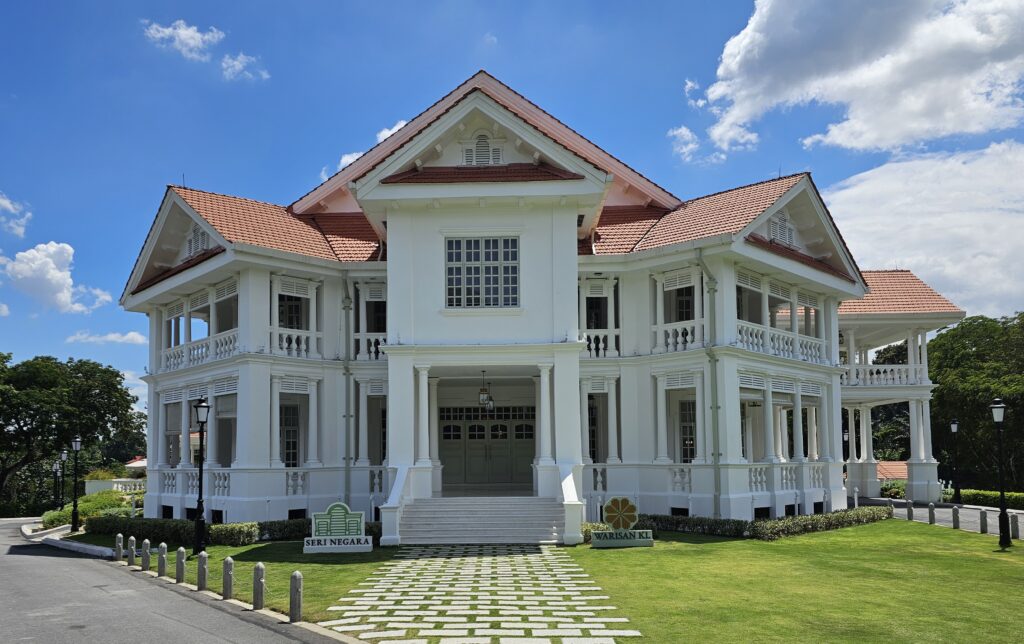
I have always referred to Seri Negara as Carcosa Seri Negara. There are actually two separate grand mansions and I had an English Afternoon Tea in one of them many, many years ago.
Carcosa was built in 1896–1897 as the official residence of Sir Frank Swettenham, the first Resident-General of the Federated Malay States. Seri Negara, first known as Government House, opened in 1913 as the official guesthouse for visiting British administrators.
Parts of both buildings were used in the film Crazy Rich Asians. In fact, after the 10-minute film in Gallery 1 of Seri Negara, you get the impression that it started out as Crazy Rich Brits – with the wealth of the British Empire mined (literally, in the case of tin from Malaya) from its colonies.
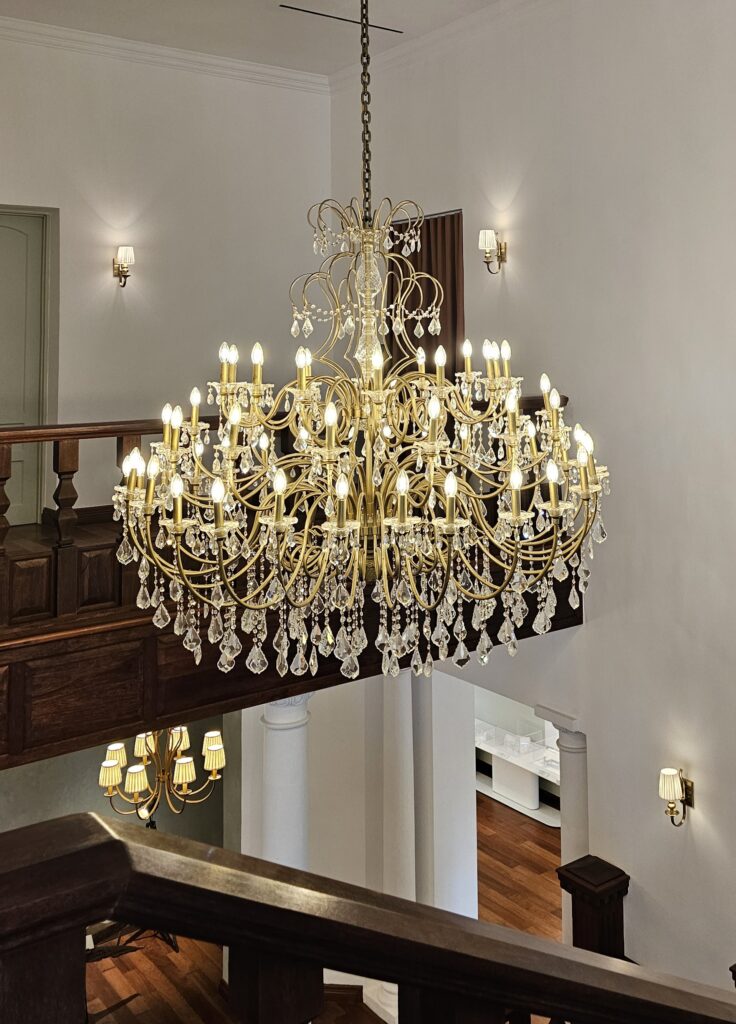
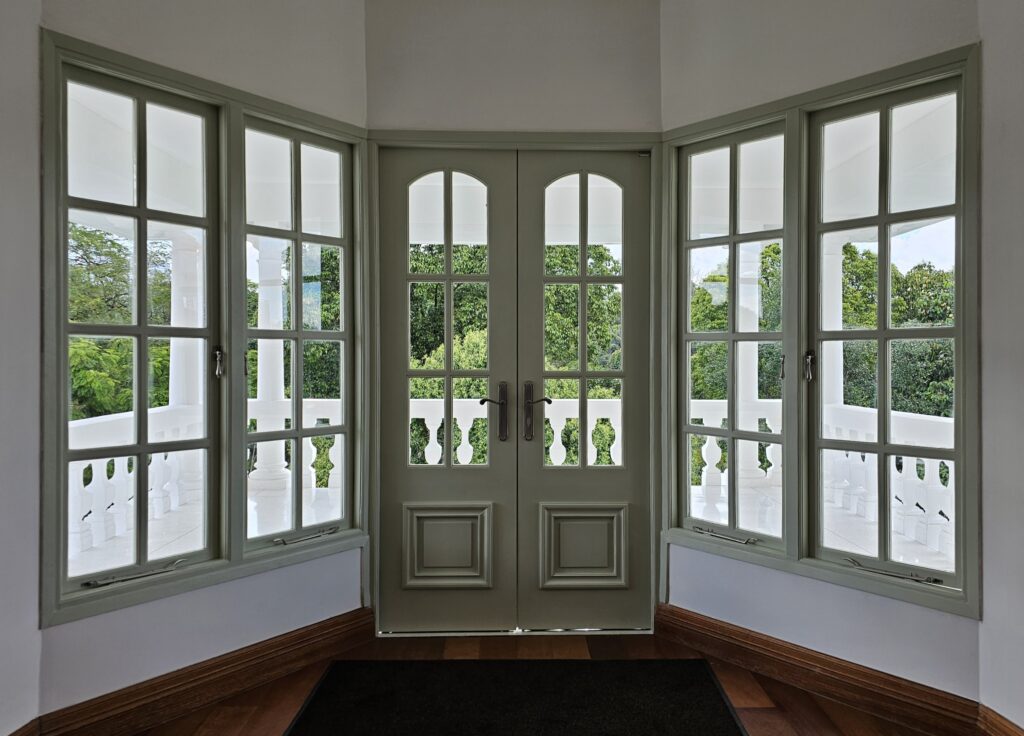
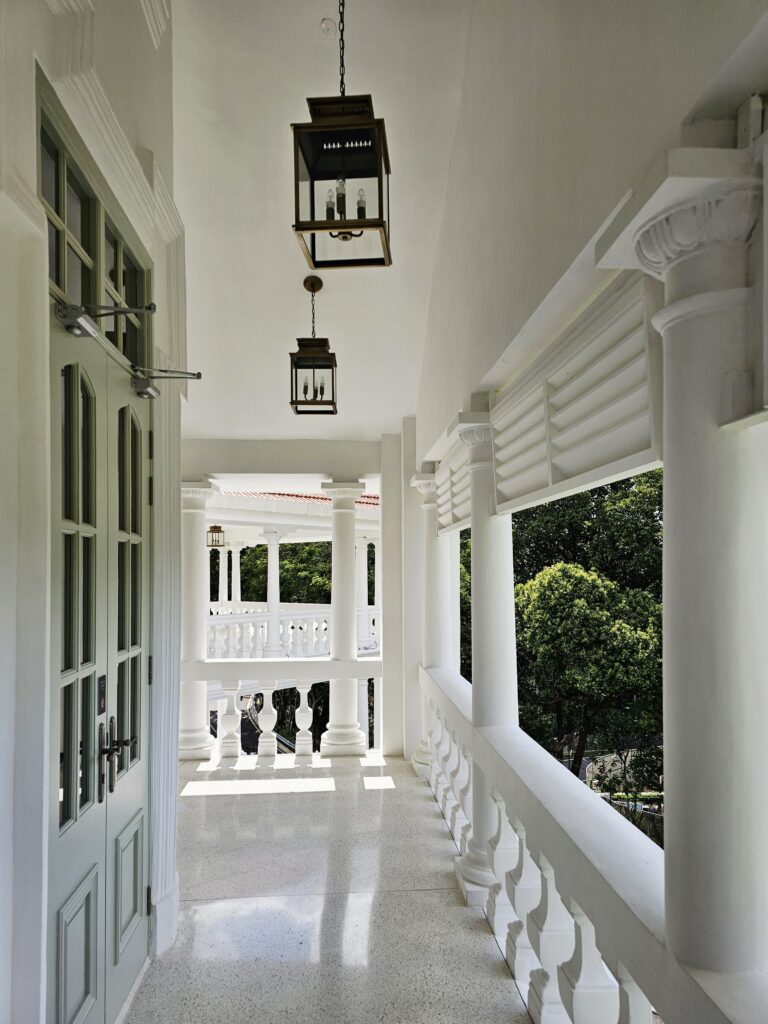
The visit requires pre-booked timed tickets and I highly recommend it. The building’s architectural details have been sensitively and authentically restored. There are fine views from the lawn and food and beverage outlets in the main building. Carcosa is still under renovation and I look forward to visiting when it is completed.
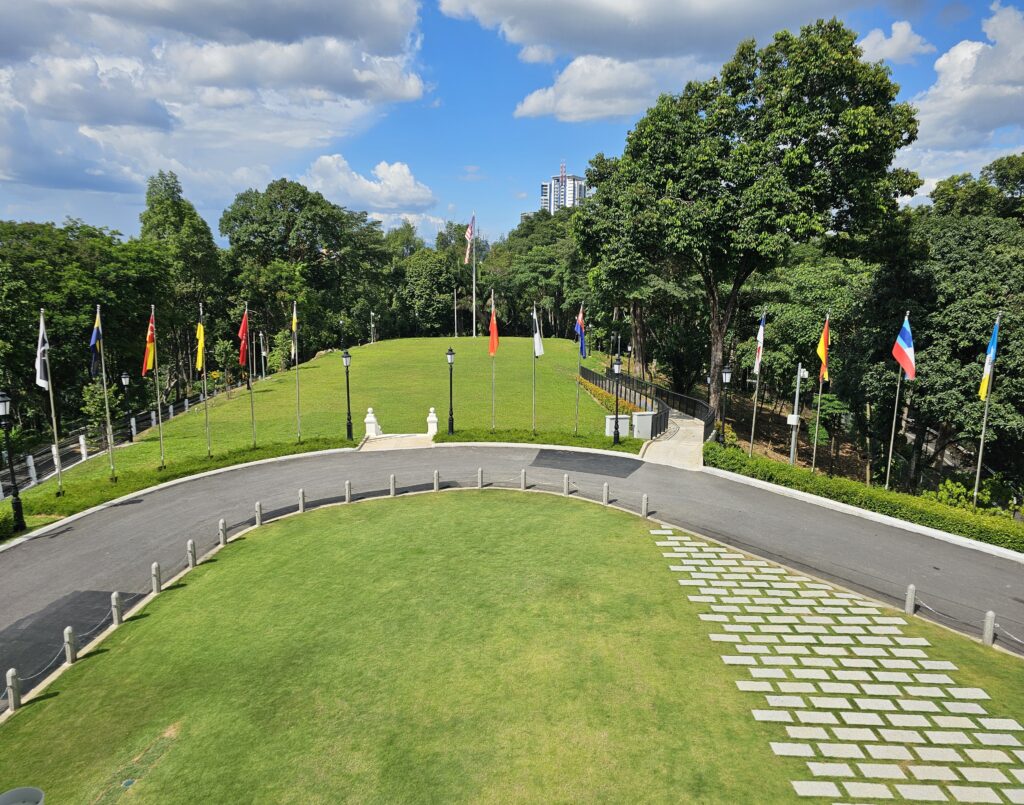
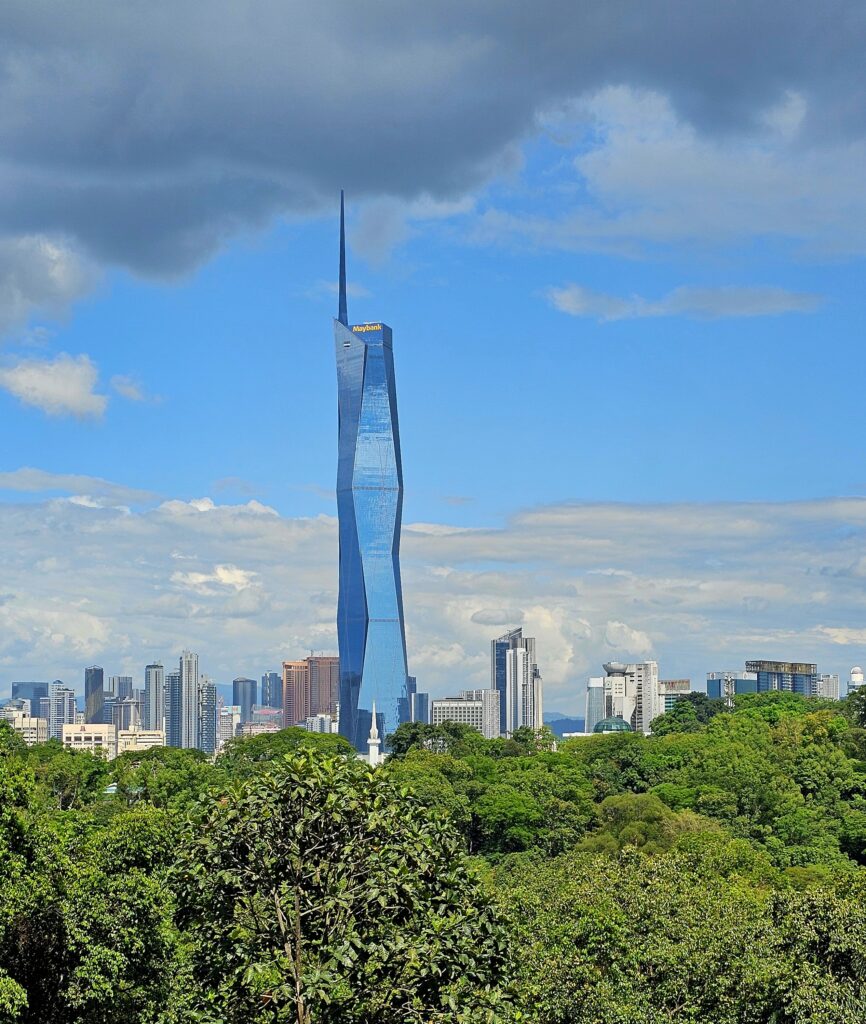
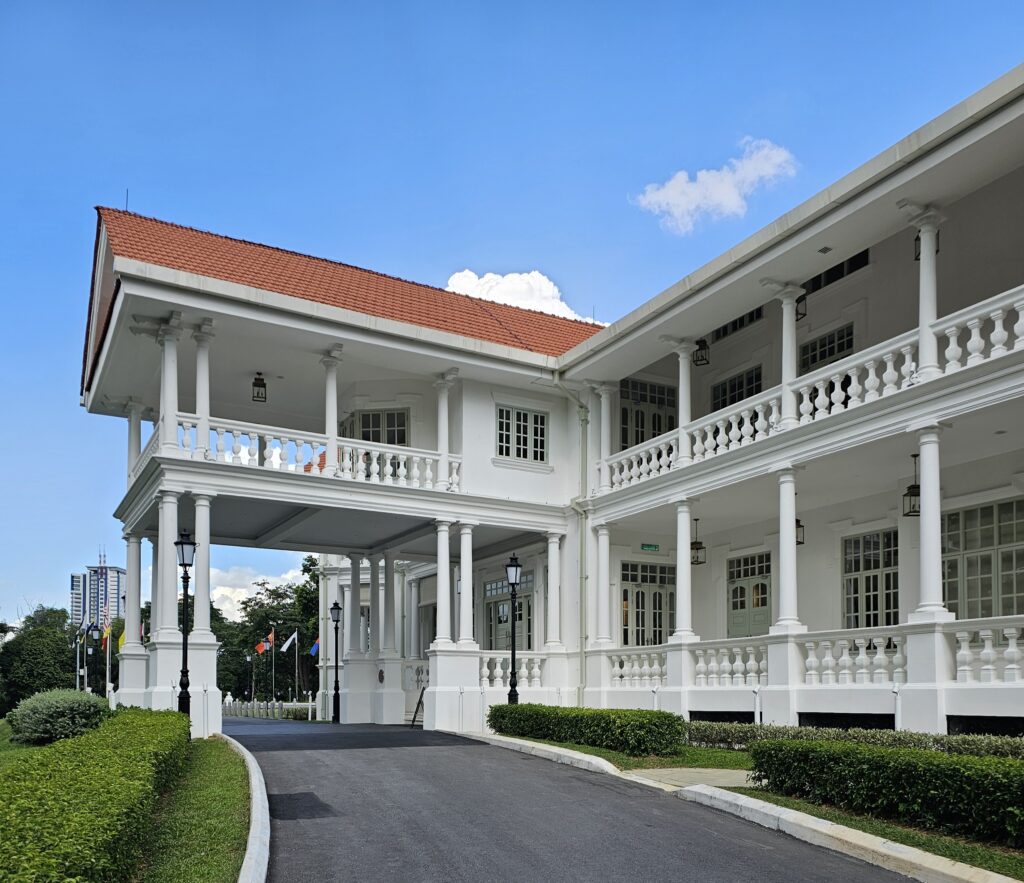
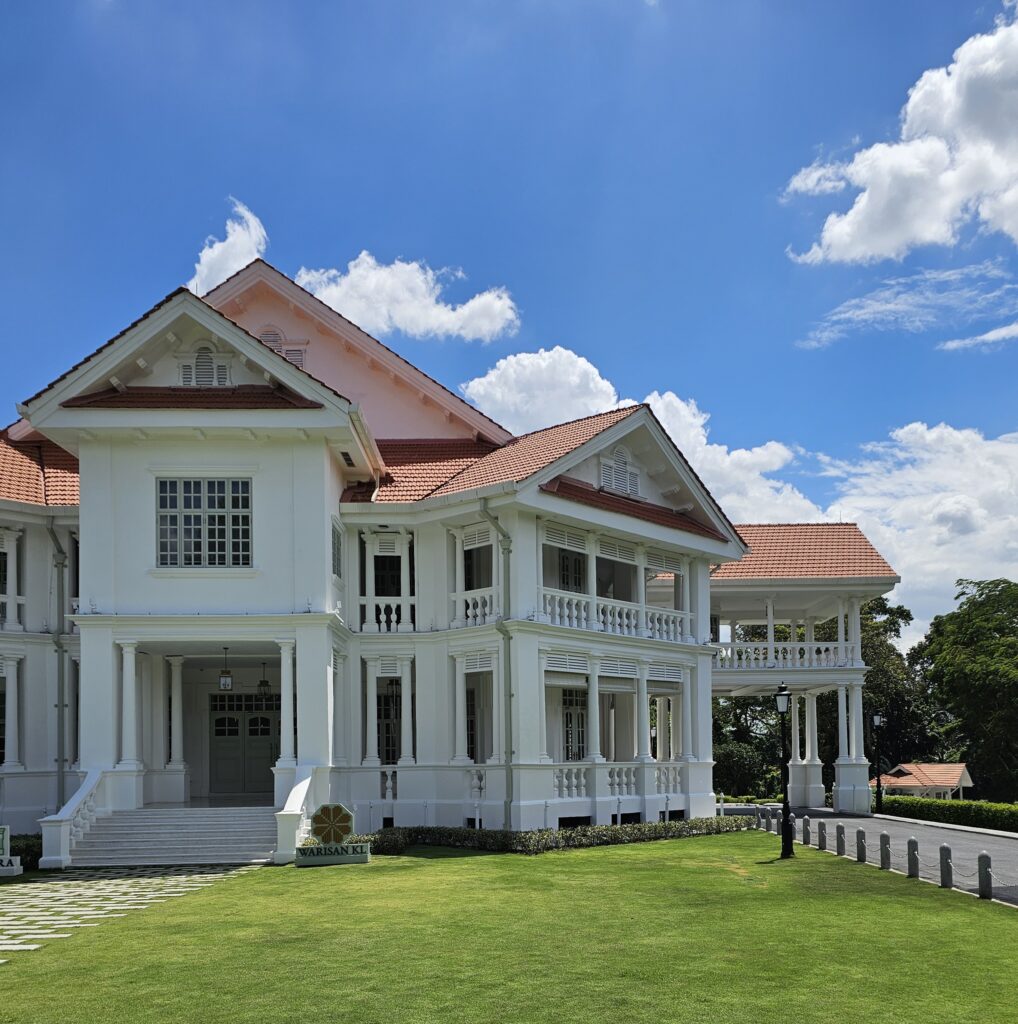
As huge fans of historic houses, Mr Gochugaru and I thoroughly enjoyed these two visits. I am so proud that the Malaysian government decided to restore these historic monuments for Malaysians and for visitors alike. Last night we invited four English friends to dinner, and we spent part of the evening teaching them Malay phrases including Malaysia Boleh! (Malaysia Can Do it!).