This is the final property in the red section of my Project Monopoly. Here are the properties covered so far in the blog:
| No 0 – Introduction | No 4 – The Angel Islington | No 8 – The Three Oranges |
| No 1 – Old Kent Road | No 5 – Euston Road | No 9 – Strand |
| No 2 – Whitechapel Road | No 6 – Pentonville Road | No 10 – Fleet Street |
| No 3 – King’s Cross Station | No 7 – Three Purples + Marylebone Station |
Each post will follow the same format.
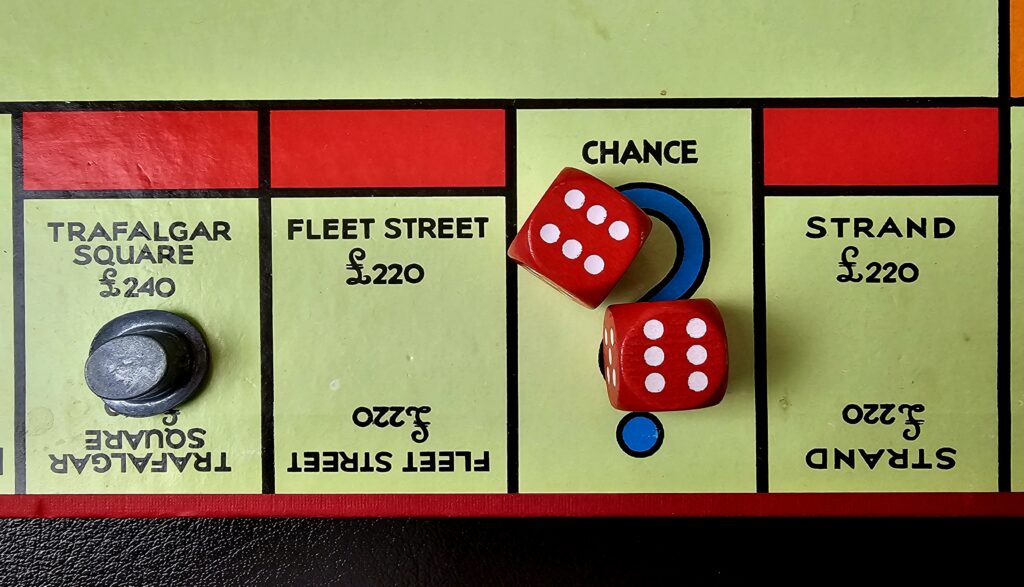
MONOPOLY PROPERTY NUMBER 14: TRAFALGAR SQUARE
(Details of books and maps at the end of the post)
Trafalgar Square is named for the Battle of Trafalgar, a major victory for the British Royal Navy in October 1805 against the combined fleets of France and Spain. As a non-historian I had not quite got the gist of the battle, that this was to stave off Napoleon’s planned invasion of the United Kingdom.
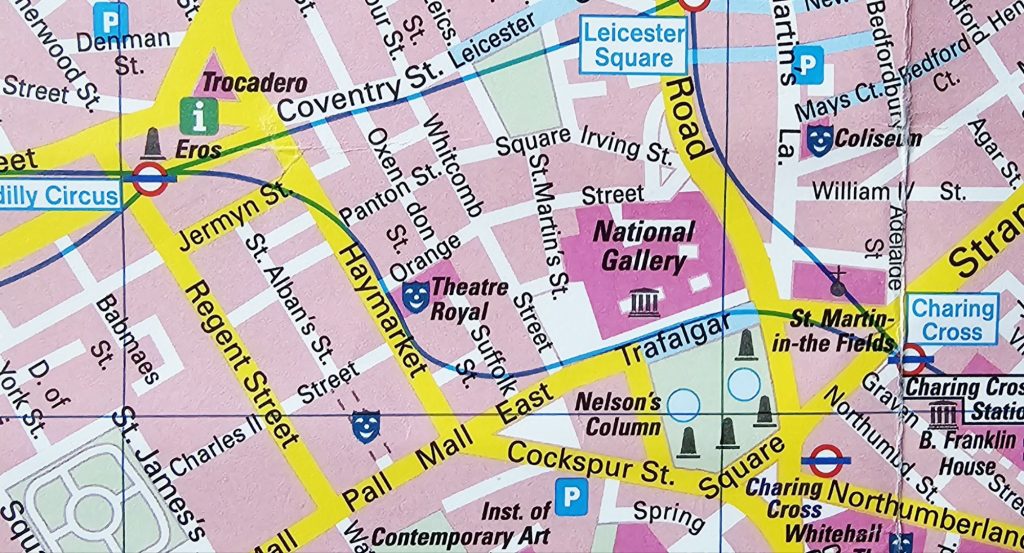
I passed by Trafalgar Square several times on the way to and from Strand/ Pall Mall/ Northumberland Avenue/ Whitehall. Just north is Leicester Square, and a little further along you will find Piccadilly, Regent Street and Fleet Street. This means that it is easy to fit in a short visit to this property as part of visiting the other Monopoly sites.
You can spot these other Monopoly properties/ streets in the map below
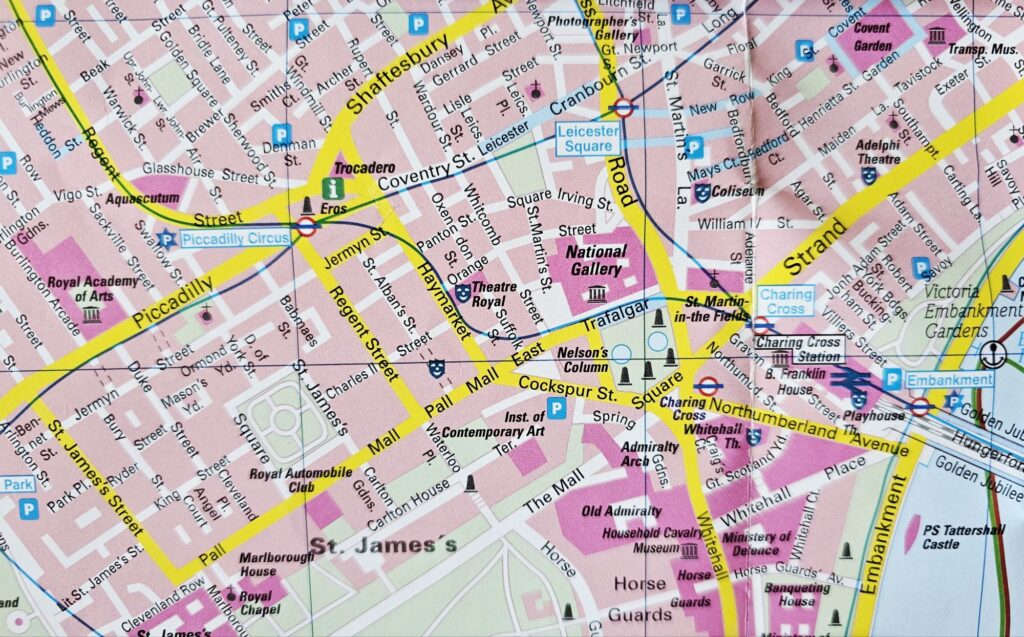
Three tube stations serve Trafalgar Square: Piccadilly Circus, Leicester Square and Charing Cross. For my walk I concentrated on the square itself and the National Gallery, with a brief visit to the church of St Martin’s-in-the-Fields. The National Portrait Gallery is nearby.
HOW TO GET HERE
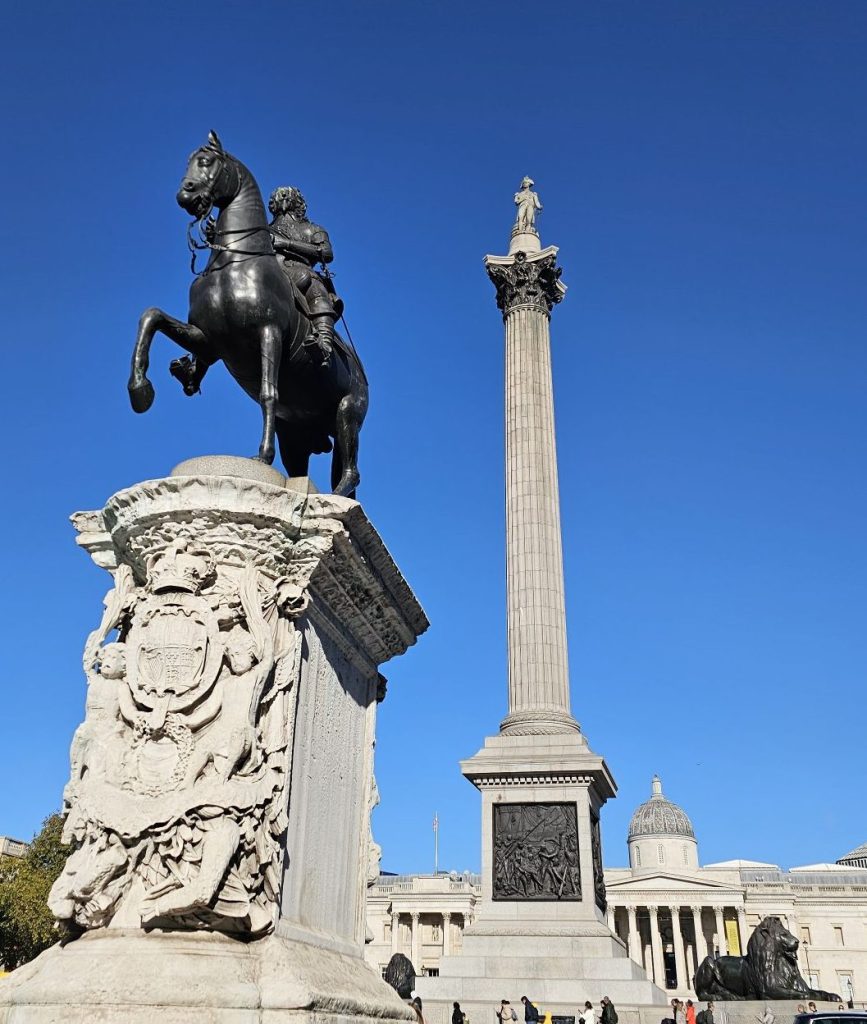
For transport options within London, Citymapper is invaluable as a tool to get from A to B. If you are travelling in by road there will be signs informing you how many miles it is to London. Where in London is ‘London’? South of Trafalgar Square there is a small roundabout with a statue of King Charles I. At the rear of the statue, on ground level, is an engraved brass plaque. Mileages from London (to places outside of London) are measured from this site, and the reverse is true also i.e. X miles to London means X miles from that road sign to this particular plaque in Trafalgar Square.
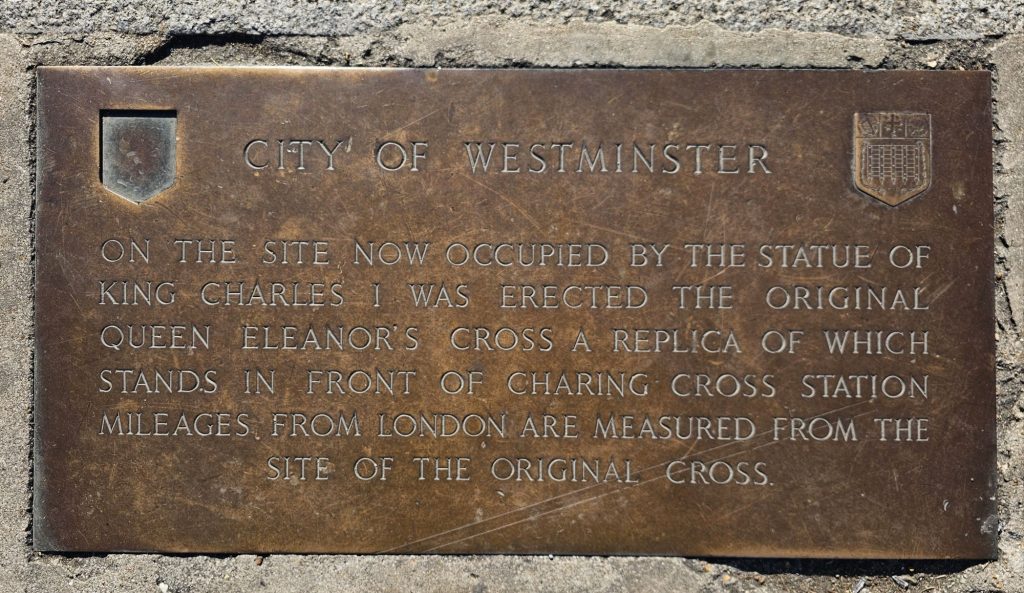
The brass plaque is behind this statue of King Charles 1
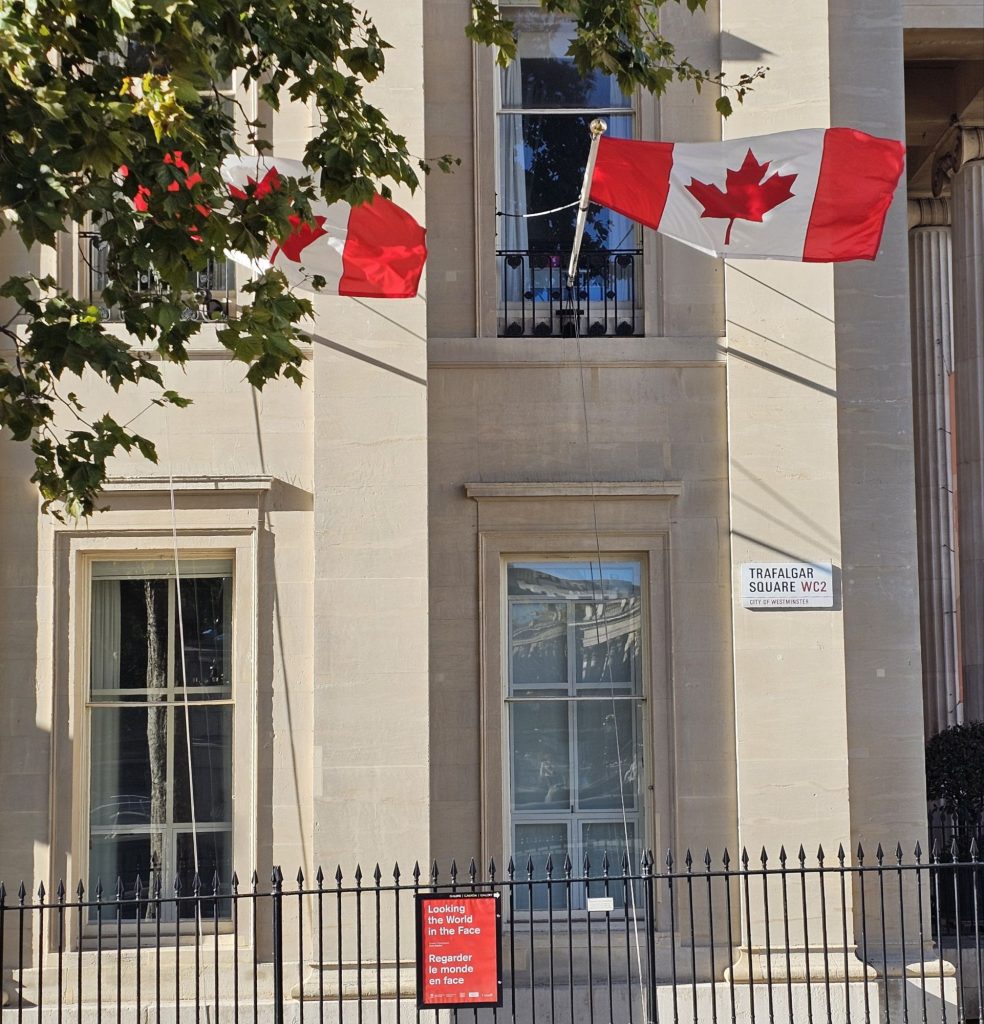
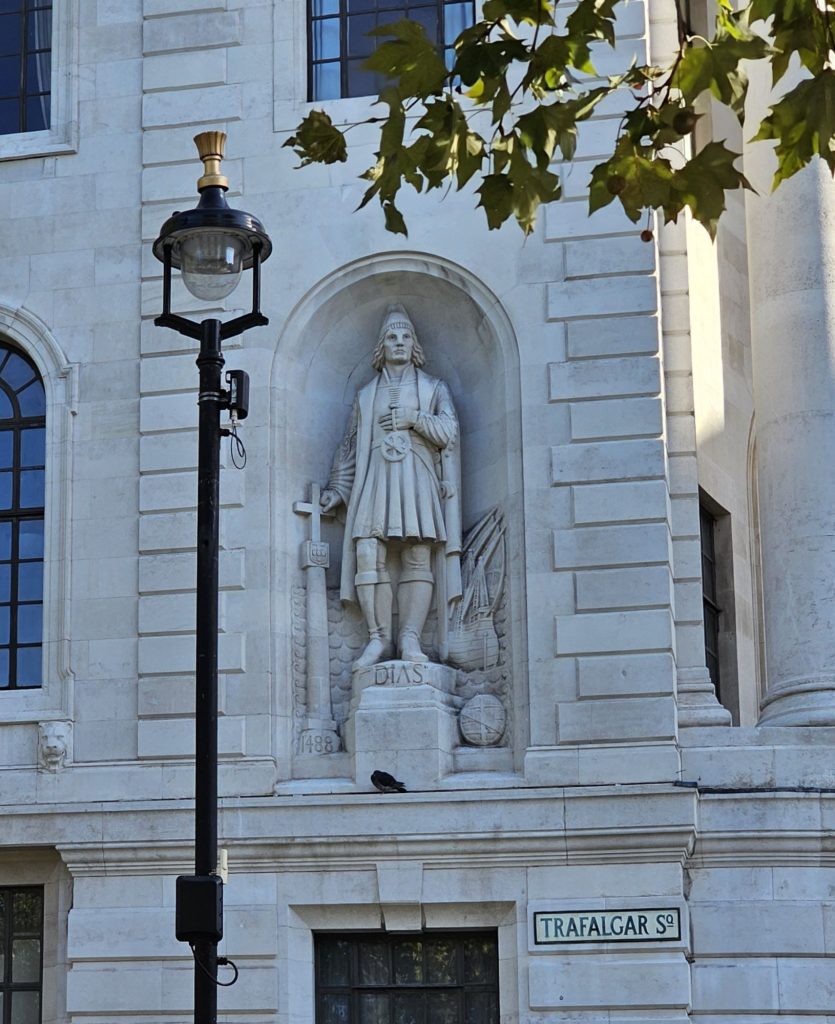
Trafalgar Square road signs dwarfed by the grand buildings surrounding the square
ASPECTS OF MY VISIT
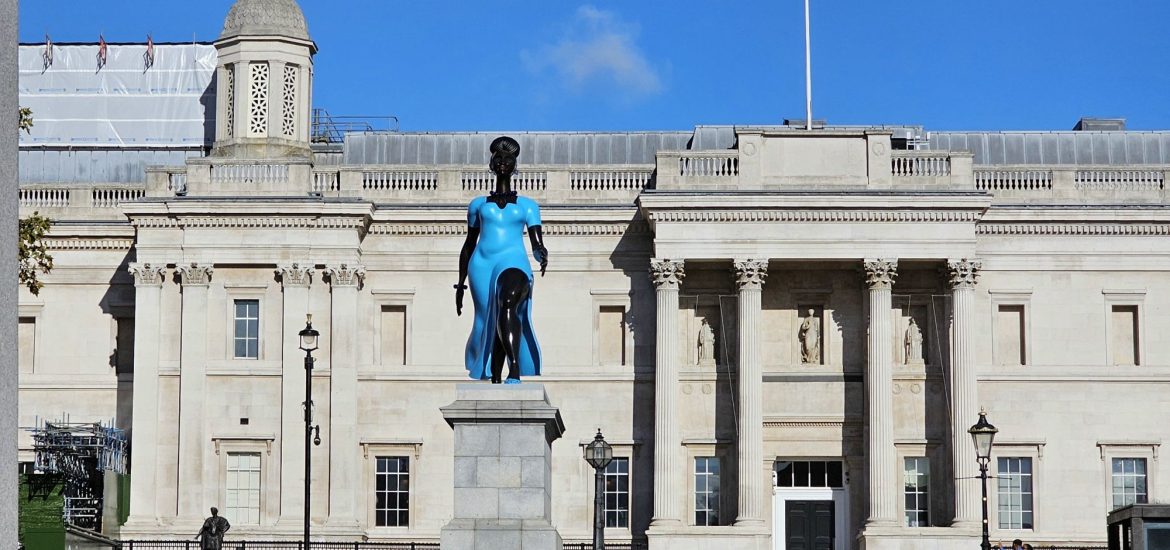
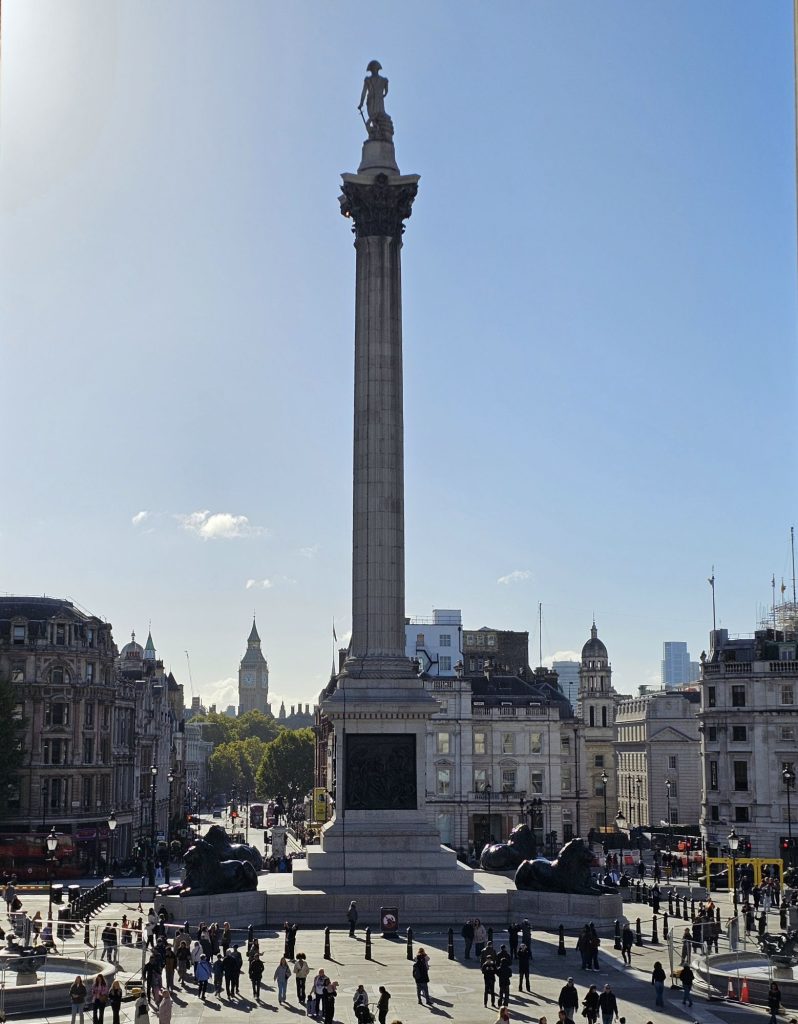
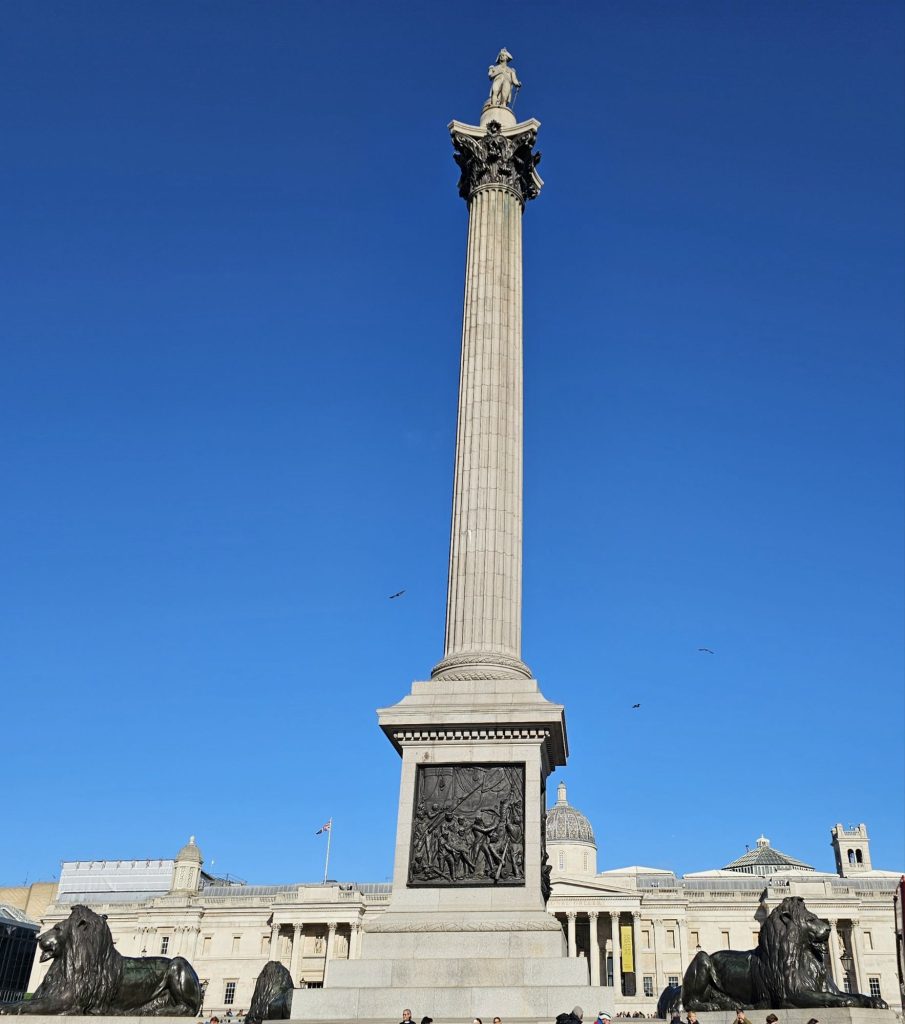
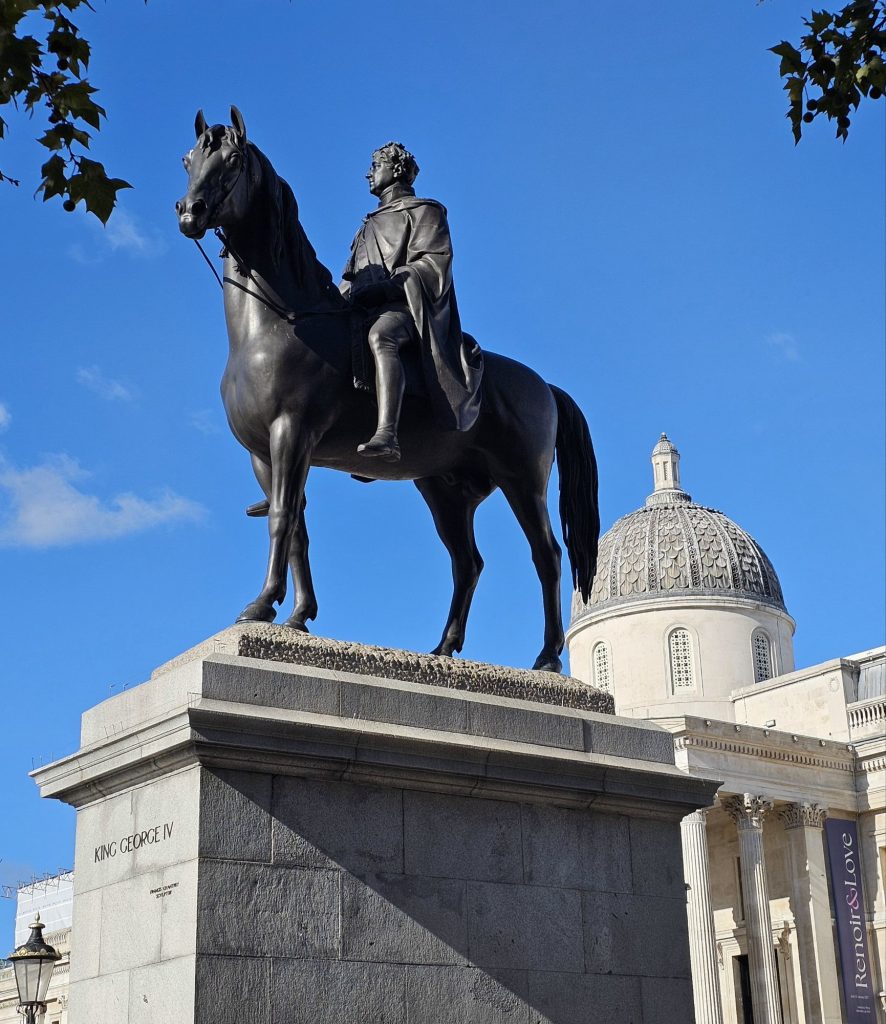
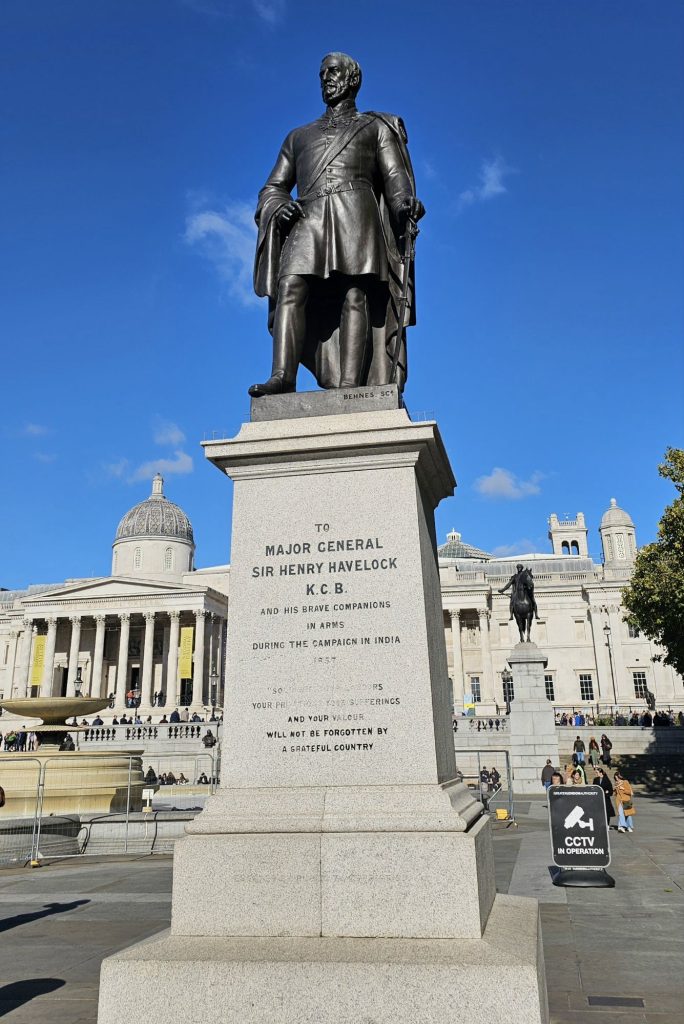
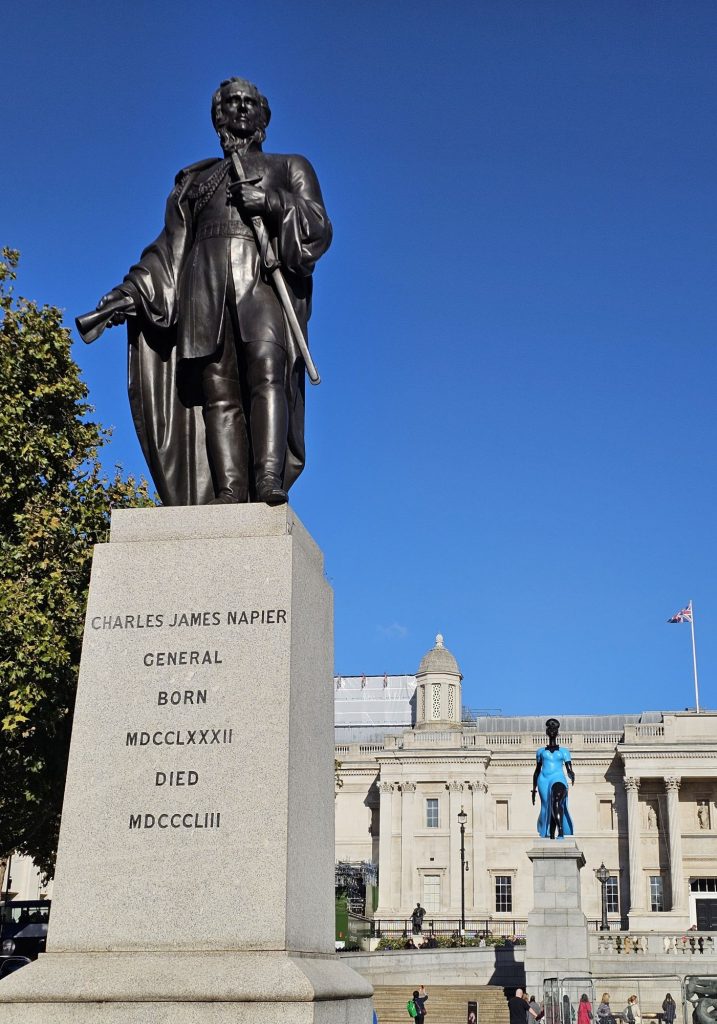
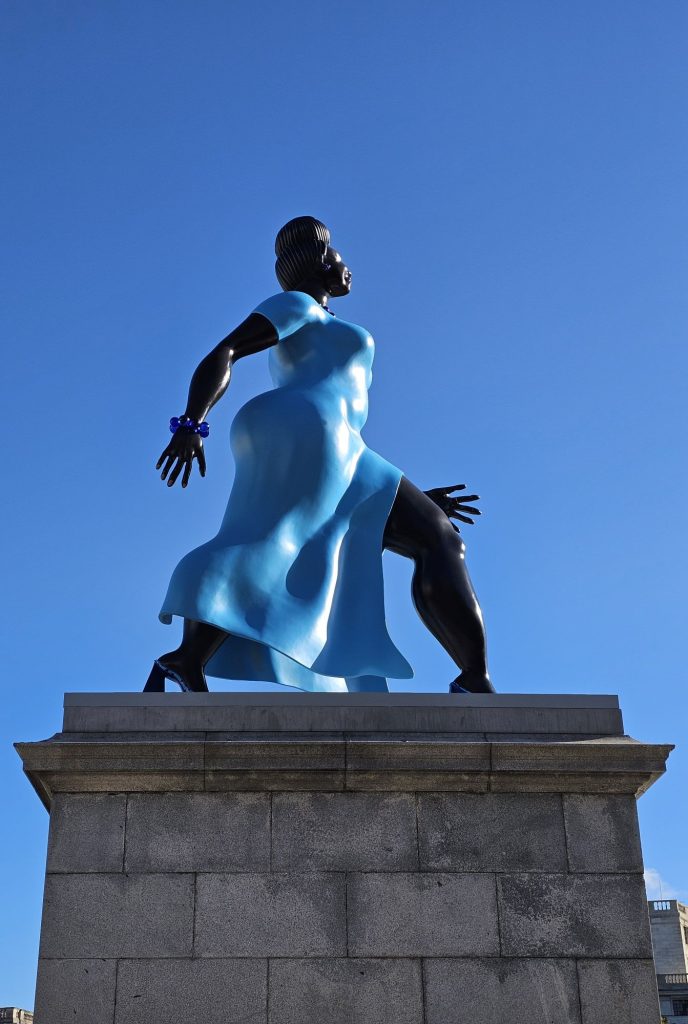
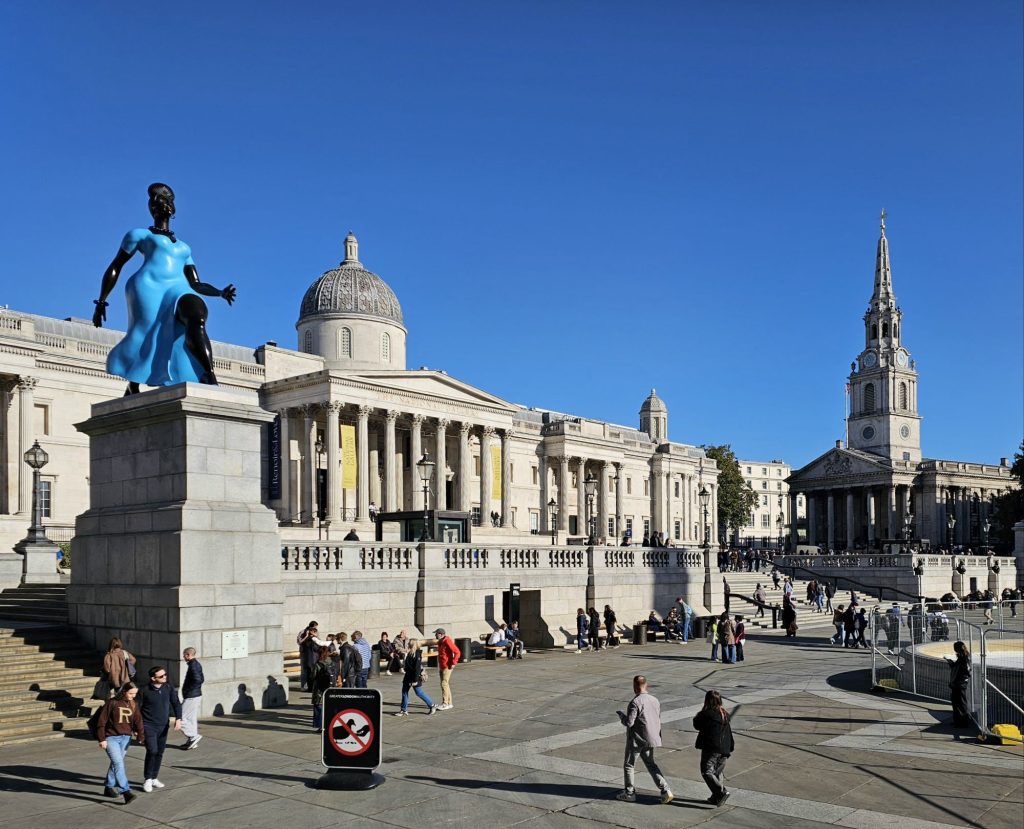
Trafalgar Square is renowned for its fountains (shut when I visited), pigeons, Nelson’s column, its four outer plinths and hoards of tourists. Three of the four plinths hold permanent statues of prominent military or royal figures. The fourth plinth hosts a rotating series of temporary contemporary art commissions. This began in 1998, with a new sculpture presented every two years. Currently (from September 2026) this is Lady in Blue by Tschabalala Self.
Nelson’s Column is named for the multi-titled Horatio Nelson
Northeast plinth: King George IV, who reigned from January 1820 to June 1830
Southeast plinth: Major-General Sir Henry Havelock
Southwest plinth: General Sir Charles James Napier
The current fourth plinth sculpture (from September 2026) is Lady in Blue by Tschabalala Self
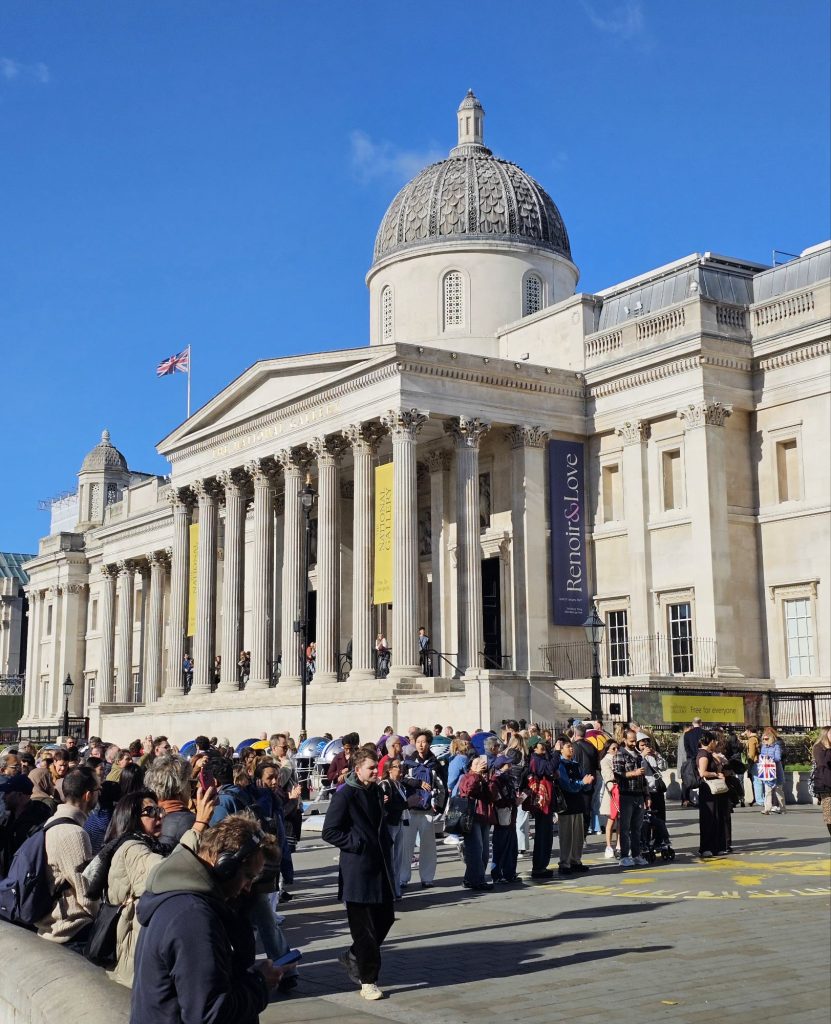
On the northern side of Trafalgar Square stands the magnificent National Gallery. It is a storehouse of priceless treasures. Out of a collection of more than 2,400–2,600 works, only 40% to 50% of the paintings are on view at any given time. I had the privilege of a private visit to its warehouse/ storeroom where the non-display paintings are kept. Wonderfully, entry to the NG is still free.
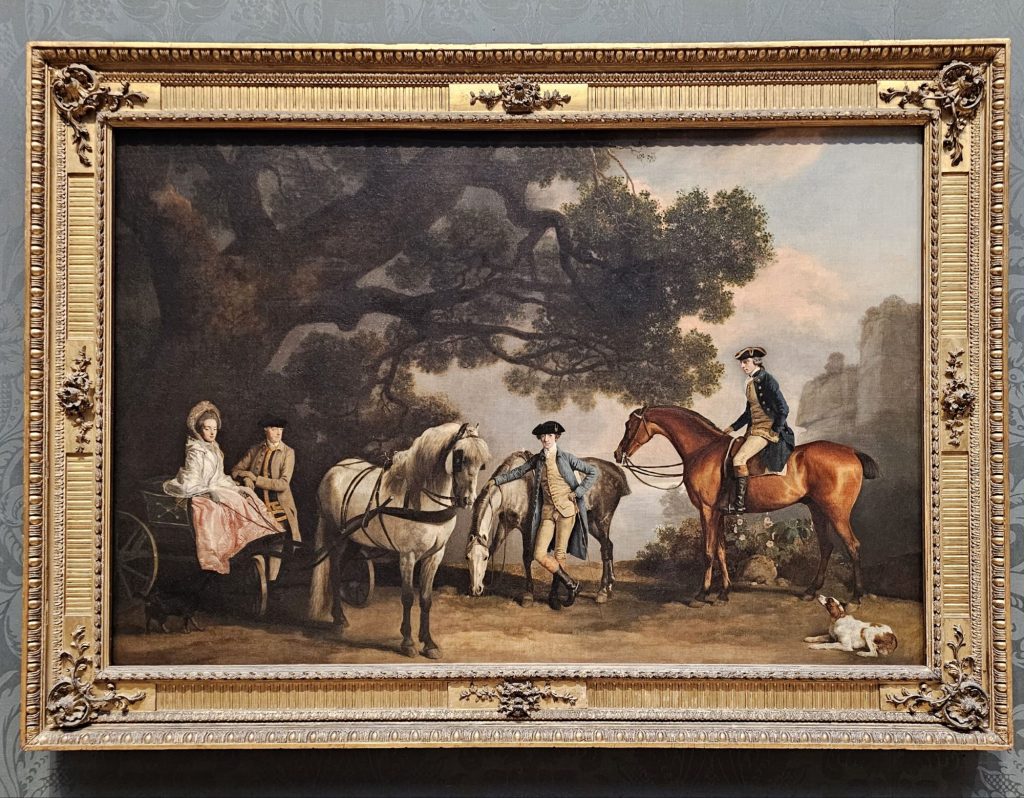
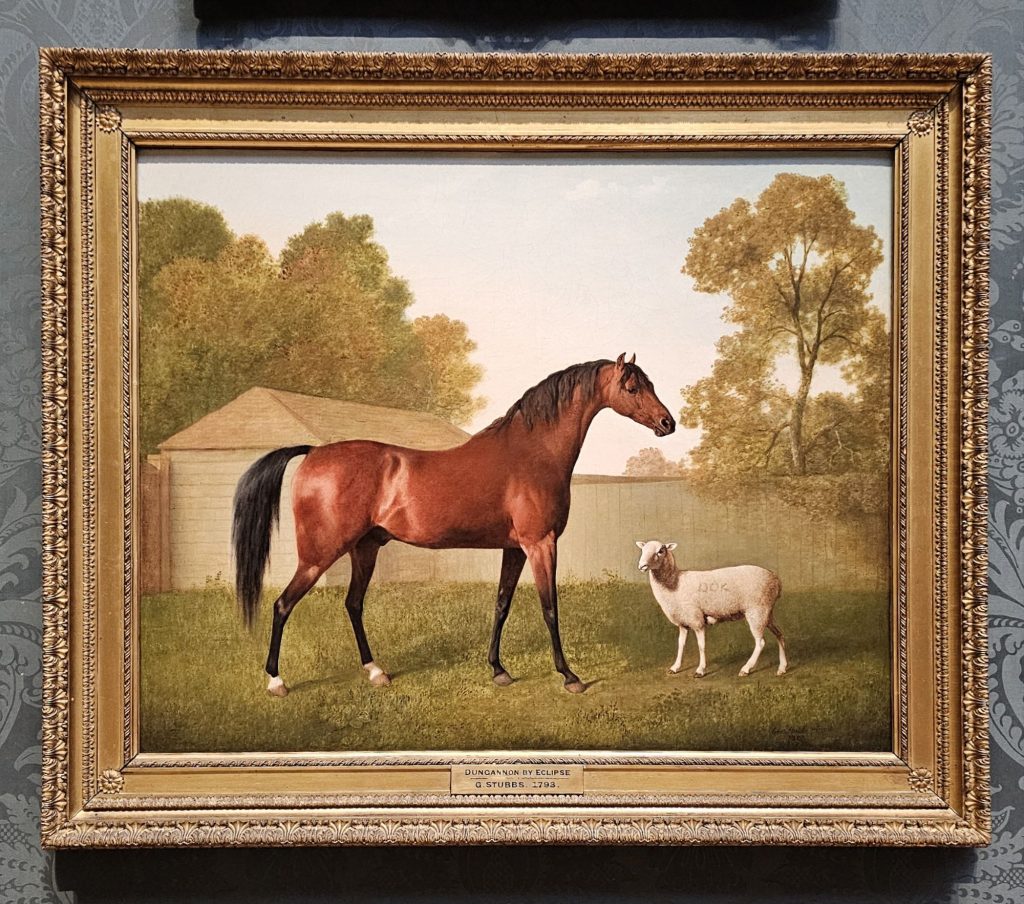
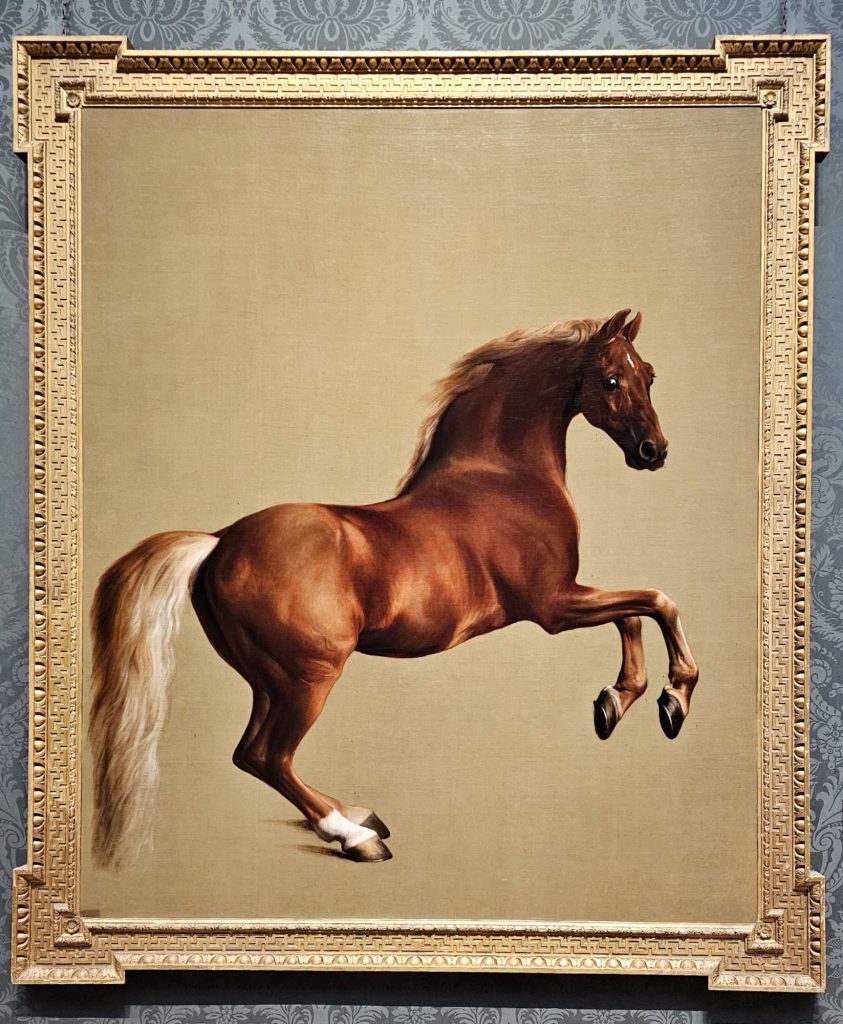
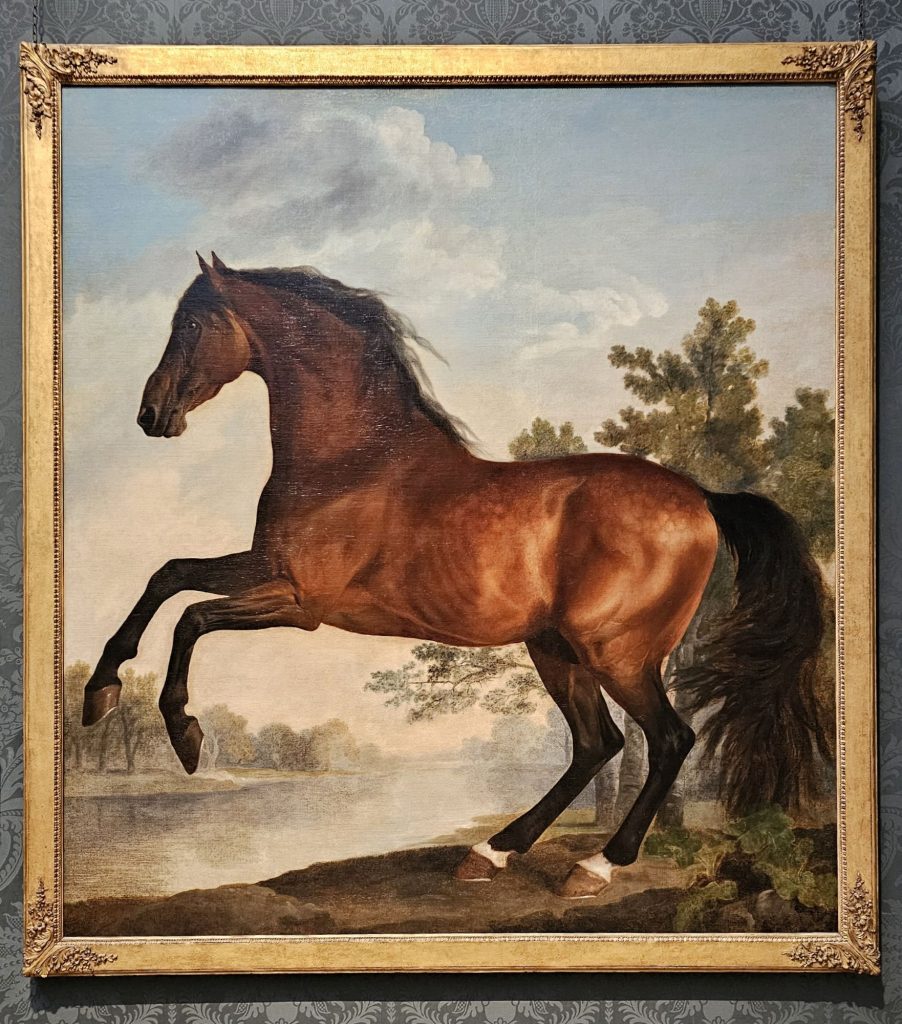
When the grand-twins are older, walking and holding colour pencils, I intend to introduce them to Stubbs‘s horse paintings. Like me and Mr Gochugaru, both of them were born in the Year of the Fire Horse which occurs once every 60 years. After seeing the horses we will go round the gallery looking at other paintings to search for other animals featured in the Chinese animal calendar (there are 12 animals to look for).
The Milbanke and Melbourne Families, circa 1769
Dungannon with a lamb, 1793
Whistlejacket, circa 1762
Scrub, circa 1762
SOMETHING PERSONAL
Church of St Martin’s-in-the-Fields
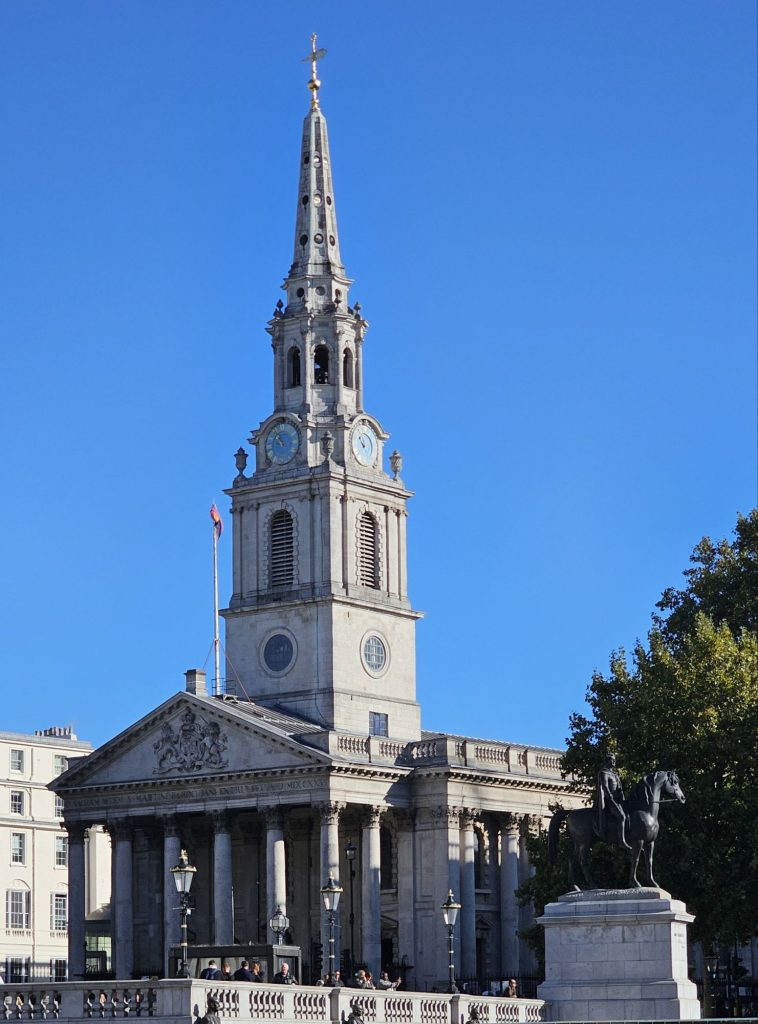
St Martin’s-in-the Fields, next to National Gallery and Trafalgar Square, is where I was baptised in the summer of 1989. It’s a long story. Ironically it was the start of the period where I lost faith in the Church of England and its bureaucratic strictures. For the next 20 years, however much I tried to return to church (I visited many churches) I felt that it was pointless. Church life had nothing to offer me, and really also in my disappointment I felt I had nothing to offer them.
I always say, when telling my story, that I did not lose faith in God. I had chosen of my own volition at age 13, on the basis of the assurance in John 3:16 -17, to accept Jesus (God in human form) as my personal saviour. I had grown up observing adults with an ambitious and business mindset, where every relationship was transactional. I always understood that if my family had no wealth to speak of, then really we would be nobodies. Would you do something for a nobody? Well, Jesus sacrificed his life for everyone, regardless of their race, culture, status, education, looks. There are 8.3 billion people in the world today and Jesus died for each and every one of them, being the bridge between Man and God.
But the church was a separate matter. It is nothing short of a miracle that after 20 years away I was invited to a church service one cold Winter’s morning, sat in a seat towards the front and felt that God had especially kept this seat for me. I slotted right in and have not left (the church, not the seat!). It has been nearly 18 years since the return. If God can bring a stone-hearted me back then he can bring anyone back. When I hear people swear ‘Jesus!’ or ‘Christ!’ (mostly people are too sloppy to even put the two names together) I always think: what if your call is answered in, say, a vision? Jesus turns up and has a moment with you. What then are you going to do? For this reason I always think it best, whether out of disrespect, ignorance or a blind following of the prevailing culture, that people do not swear in this manner.
MAPS AND BOOKS
London city map 1:10,000 by Freytag & Berndt, ISBN 978-3707924268
No Free Parking: The Curious History of London’s Monopoly Streets by Nicholas Boys Smith, published by John Blake Publishing, ISBN 978-1789465389. See chapter 22 (Trafalgar Square: Riot and rediscovery).
Do Not Pass Go: From the Old Kent Road to Mayfair by Tim Moore, published by Vintage, ISBN 978-0099433866. See chapter 12 (The Reds).
THE BAKERY
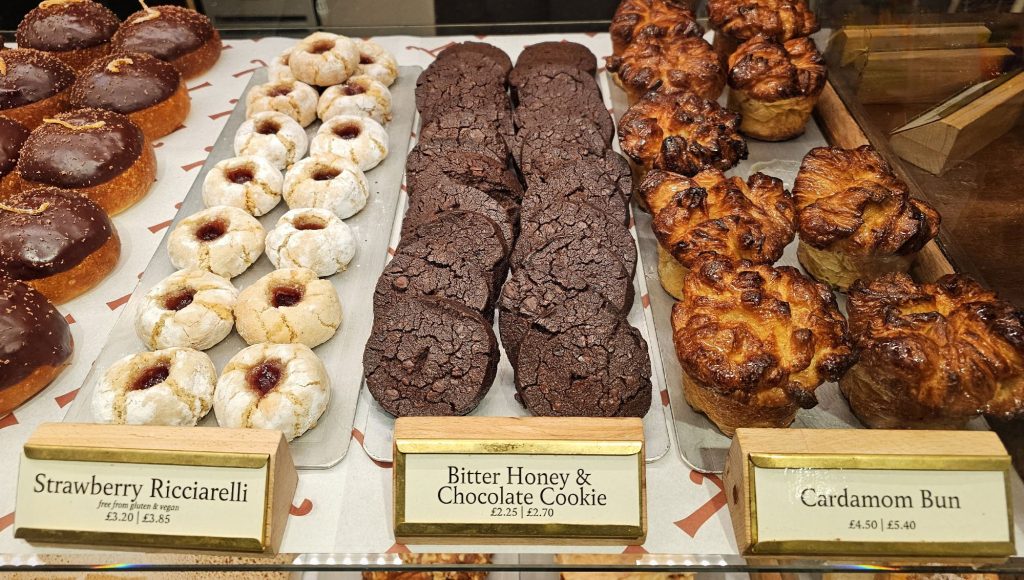
Mr Gochugaru and I started this walk from Temple tube station, picking up a light breakfast at Toklas (1 Surrey St, London WC2R 2ND). We then walked from the bakery to Trafalgar Square, taking in Strand along the way.
Toklas s about to open its second site in Pavilion Road, off Sloane Square. Their pastries and bread are excellent. They also sell jams and marmalade from England Preserves. I think a lot about bakeries like this.
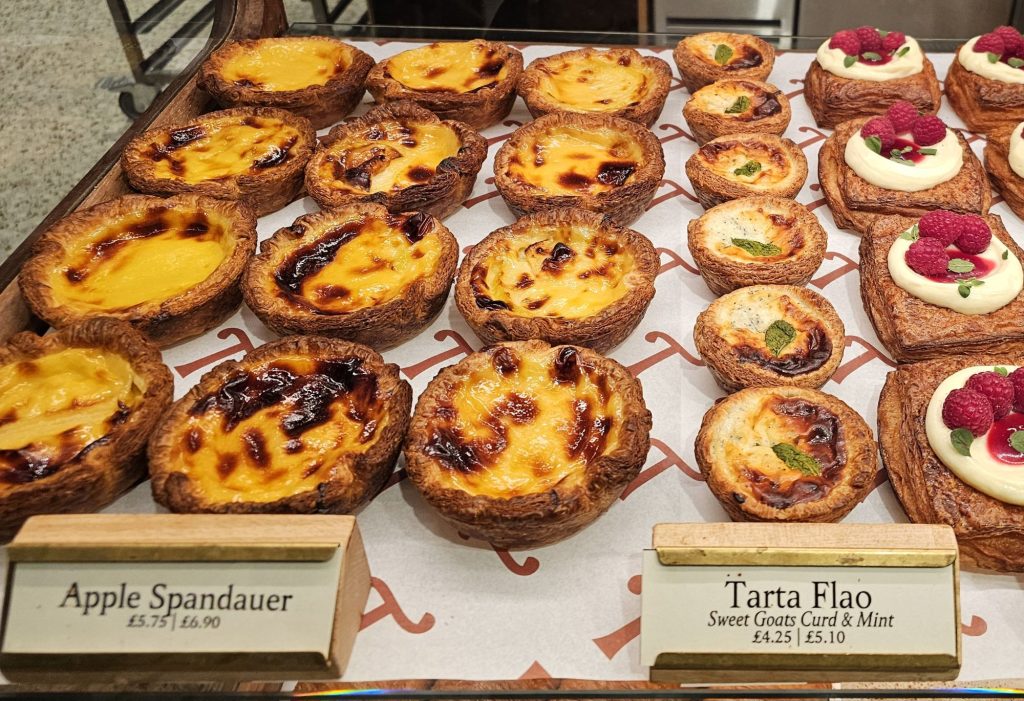
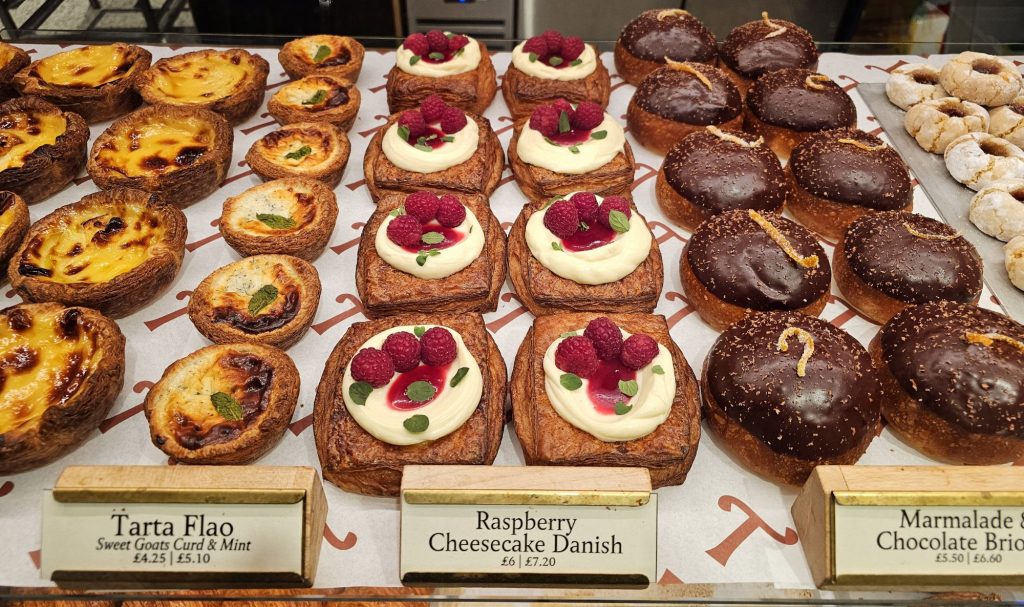
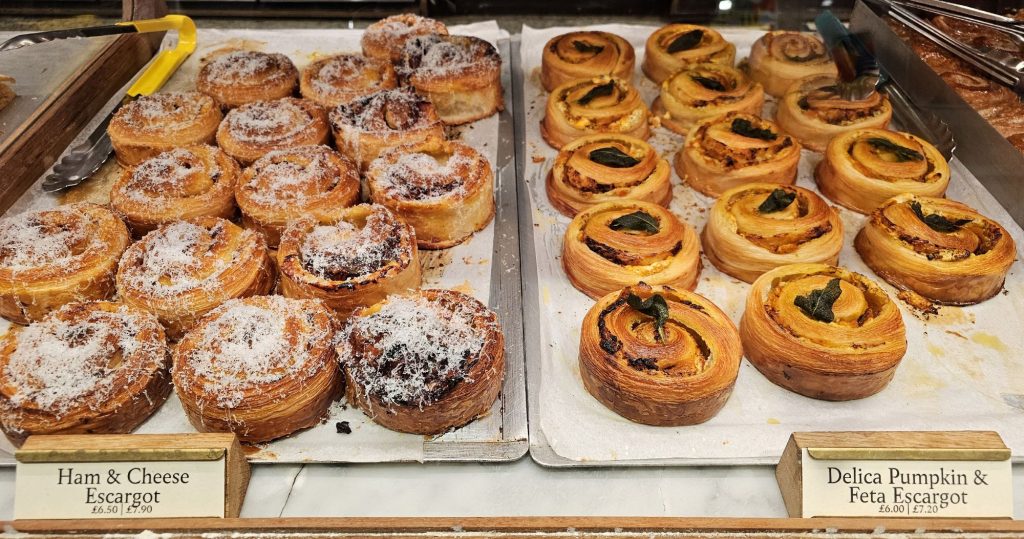
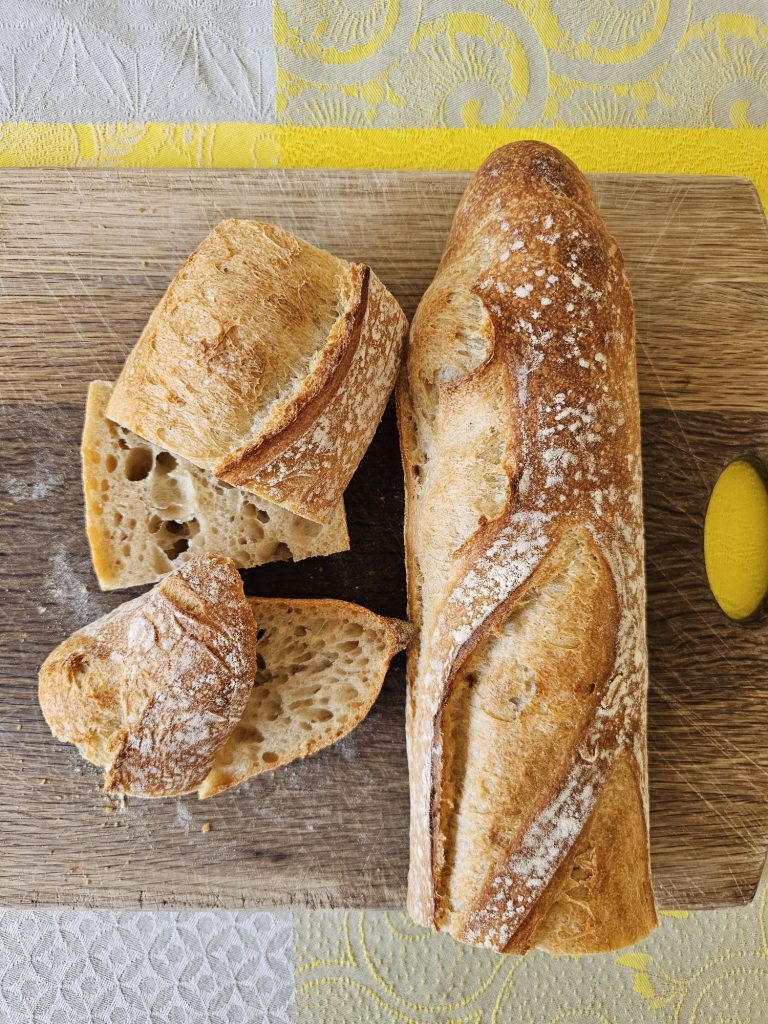
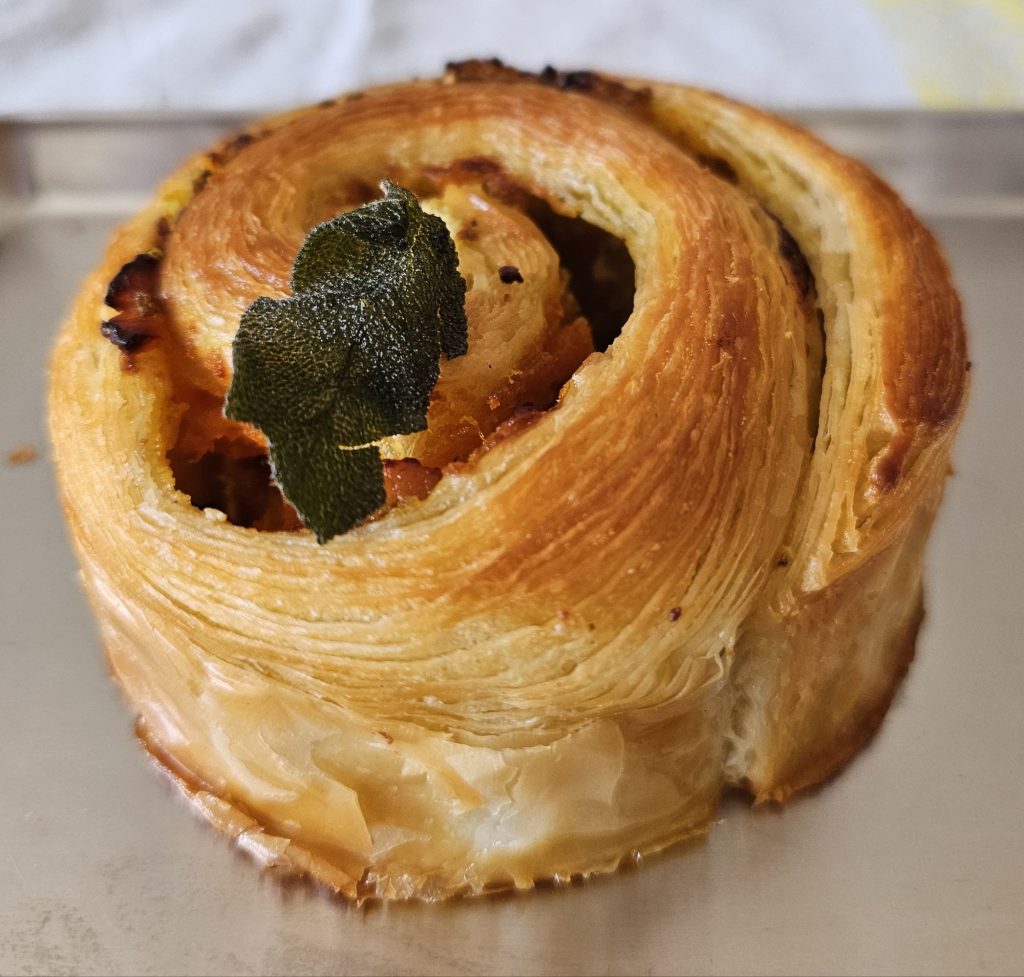
Toklas baguette and squash and feta swirl for lunch later at home